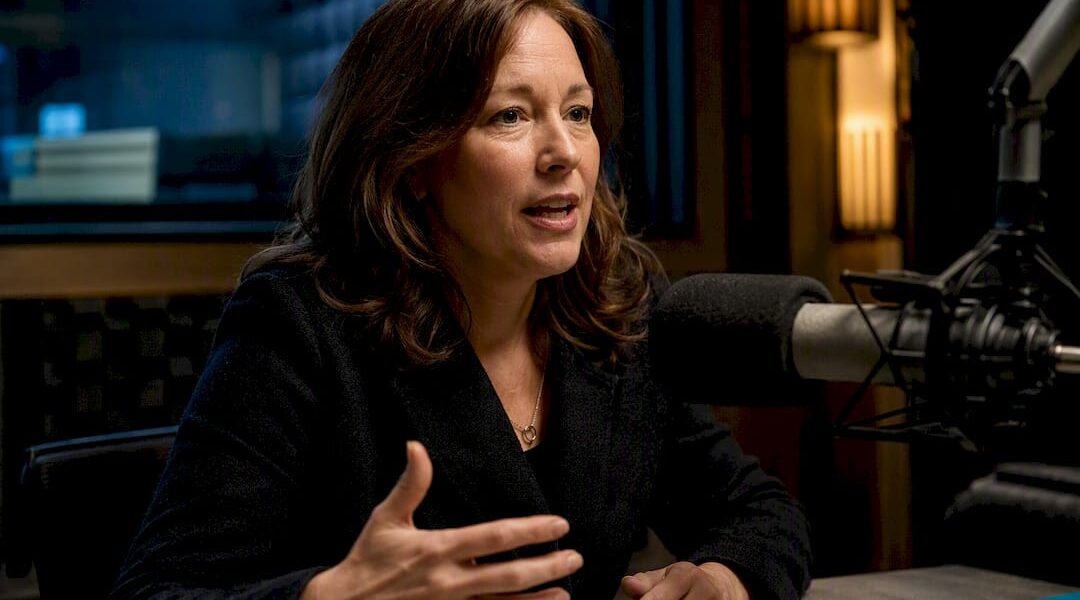
Authors book radio and podcast interviews by targeting the right shows, sending a focused pitch, and rehearsing broadcast-friendly talking points. Hosts can tell within minutes if a guest hasn’t done their homework, and a pitch built around timeliness beats a generic book announcement almost every time, according to Writer’s Digest. The sections below break down exactly how to find shows, write the pitch, and prepare for the mic.
TL;DR:
- Smaller niche podcasts often provide more targeted audiences and better engagement, making repeated appearances more effective than attempting only high-profile national shows.
- Tailoring pitches with specific, timely angles and referencing recent episodes helps increase the chances of securing an interview, especially over generic book announcements.
- Rehearsing concise, impactful answers and preparing sound bites improve on-air performance and boost the chances of your content being shared on social media.
- Building ongoing relationships with producers through follow-up, sharing relevant news, and consistent engagement increases the likelihood of repeat bookings and long-term visibility.
- Starting outreach three to six months before launch, tracking scheduling details, and avoiding paid placement ensures a strategic and credible podcast promotion process.
Table of Contents
- Where to Find Podcasts and Radio Shows That Book Authors
- How to Craft a Pitch That Actually Gets a Yes
- Prepare for the Interview: Rehearsals, Sound Bites, and the Tech Checklist
- Scheduling, Timing, and What to Expect
- When Hiring a Publicist Makes Sense
- Building Relationships With Producers and Hosts for Repeat Bookings
- Practical Author Perspective and Quick Trade-Offs
- If You Want Managed Booking: What Goldman McCormick PR Offers
- Sources
- FAQ
Where to Find Podcasts and Radio Shows That Book Authors
Start with podcast directories like Apple Podcasts and Podchaser, plus station program pages that list upcoming guest slots. Producer pages, often buried in a show’s “contact” or “be a guest” tab, tell you exactly who to email and what they expect from a pitch.
Before you pitch anyone, listen to two or three recent episodes. You’re checking format (interview versus panel), typical episode length, and whether the host actually engages guests or just reads questions off a card. That research also tells you whether a show books debut authors or sticks to bestsellers, which saves you from wasting a pitch on a mismatch.
Once you have a list, prioritize it. Not every show deserves equal effort.
- Rank shows by audience fit first: a true-crime podcast is a better home for a legal thriller than a general talk show with triple the downloads.
- Weigh host engagement: a host who replies to listener comments and shares clips will amplify your episode more than one who posts and disappears.
- Check social reach, but don’t chase follower counts alone. A show with 2,000 engaged listeners on a niche topic often converts better than 20,000 passive subscribers.
- Use author Facebook groups, X threads, and writing organization newsletters to surface shows that don’t rank high in directories but book guests constantly.
Social listening rounds this out. Search hashtags tied to your genre and note which shows keep coming up in author recommendations. Those tend to be the ones that treat guests well and actually promote the episode afterward.
How to Craft a Pitch That Actually Gets a Yes
A pitch that lands starts with a hook, not a book summary. Lead with something timely, a counterintuitive angle, or a direct tie to the show’s usual content. Writer’s Digest puts it bluntly: authors should get their content out there rather than hold back ideas hoping for a bigger opportunity that may never come.
Every pitch needs the same core assets, assembled once and reused:
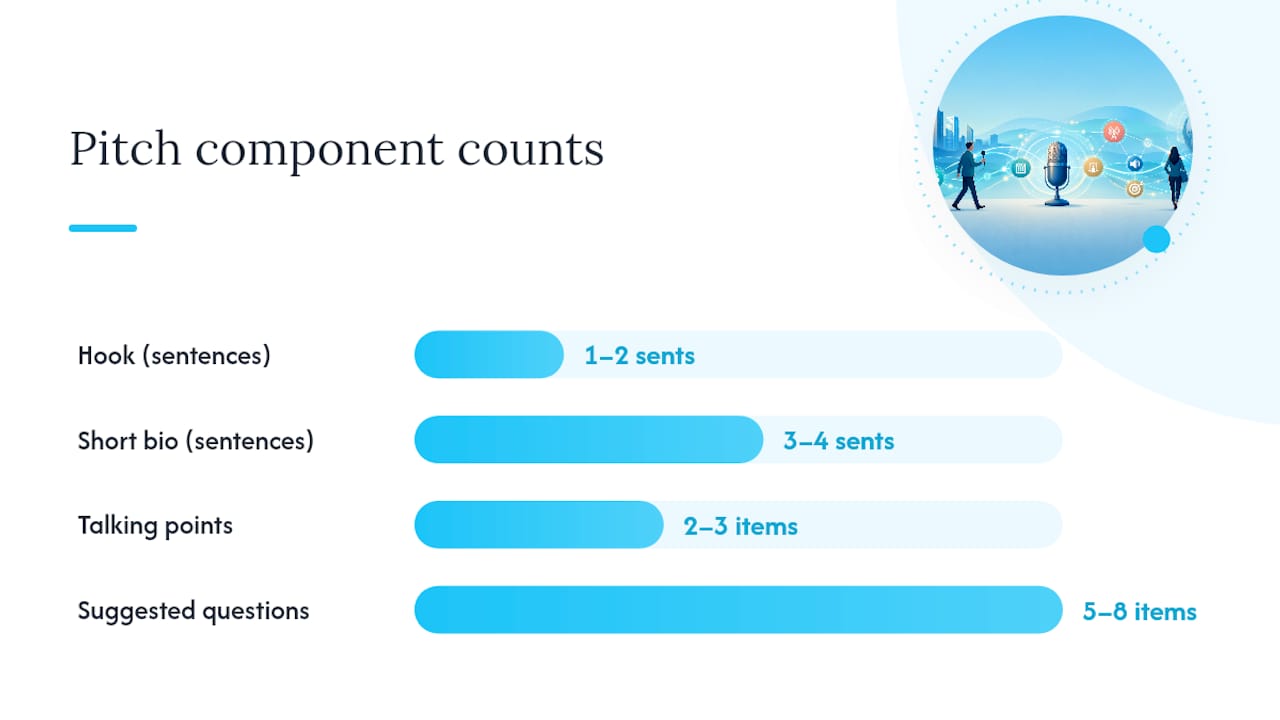
- A one or two sentence hook connecting your book to something the audience already cares about.
- A short bio (three to four sentences, no full résumé).
- Two to three talking points that preview the conversation without giving everything away.
- Five to eight suggested interview questions the host can use as is or adapt.
- A professional headshot and a direct link to your book.
Subject lines work best when they signal relevance fast: naming the show’s usual topic area or referencing a recent episode beats a generic “Author available for interview.” Your opening line should do the same, showing you listened rather than mass-emailed. One sentence naming a specific episode or recurring segment tells a producer more about your seriousness than any credential list.
Follow up once, politely, after four to seven days. If there’s no response, send a second follow-up around the two-week mark with something new attached, a review, a fresh angle, a relevant news hook. After three total attempts with no reply, move on unless the producer has explicitly asked you to check back later.
Pro Tip: Mention one specific detail from a past episode in your opening line. It takes ten extra seconds of research and instantly separates your pitch from the twenty generic ones sitting in the same inbox.
Prepare for the Interview: Rehearsals, Sound Bites, and the Tech Checklist
Build three to five talking points and two or three short, quotable sound bites hosts can pull for social clips. Vague answers don’t get replayed; specific, punchy ones do.
Rehearsal matters more than most authors assume. Mock interviews with a friend or writing partner, timed to 30 to 90 seconds per answer depending on the show’s format, are proven to sharpen delivery and keep you from rambling when the real mic goes hot.
On air, treat the host as a collaborator, not an obstacle. If a question veers off track, pivot gently back to a point you prepared rather than fighting the direction of the conversation. Close with a brief, natural call to action, your website or where to find the book, rather than a hard sell.
For remote interviews, a short tech check saves the whole segment:
- A dedicated microphone or a decent headset, never a laptop’s built-in mic.
- Stable, wired internet if possible, or a strong Wi-Fi signal as backup.
- A quiet room with soft surfaces, since bare walls create an echo hosts notice immediately.
- A backup device (phone with the app installed) in case your main setup fails mid-call.
Pro Tip: Record a thirty-second test clip on your phone before every remote interview. Listening back catches mic issues you’d otherwise only discover after the show airs.
Scheduling, Timing, and What to Expect
Start pitching three to six months before launch, then increase volume as launch week approaches. Recording and airing are rarely the same day. Many podcasts record episodes months in advance, and a well-produced episode keeps pulling in listeners long after the initial air date, so a recording booked early can still land right around your launch window.
Most guest slots are unpaid, and that’s normal, not a red flag. What is a red flag: any service or agency that guarantees placements for a fee. Writer Beware calls this vanity media, and reputable shows simply don’t require payment from guests.
- Confirm the recording date and the expected air date separately, in writing, so your promotion calendar doesn’t rely on guesswork.
- Ask the host in advance whether they’ll share the episode on social media, and offer to co-promote from your side.
- Keep a simple tracker (show name, pitch date, recording date, air date, agreed social posts) so nothing slips through during a heavy pitching stretch.
When Hiring a Publicist Makes Sense
A reputable publicist handles the parts most authors dread: producer outreach at scale, booking logistics, media training before you go on air, and access to syndicated radio opportunities that rarely show up in public directories.
Hiring one makes sense when you’re short on time, want national or multi-market reach, or need measurable results tied to a launch date rather than scattered guest spots. Before signing anything, vet the firm the same way you’d vet a contractor.
- Ask for specific past placements, not vague claims of “media relationships.”
- Request references from author clients, not just testimonials on the firm’s own site.
- Get a written plan with target shows, timeline, and deliverables before paying anything.
Goldman McCormick PR was founded in 2010 by former TV and radio producers, named one of Forbes’s best PR firms for 2021, and won a Bulldog Reporter Gold Award for advocacy campaign work in 2016, credentials worth checking against any firm you’re considering.
Building Relationships With Producers and Hosts for Repeat Bookings
One guest appearance rarely moves the needle on its own. The real payoff comes from becoming a producer’s go-to guest, someone they book again when a related news story breaks or a seasonal topic comes back around.
That starts with how you behave after the interview, not just during it. Send a genuine thank you within a day or two, mention something specific from the conversation, and share the episode across your own platforms right when it airs. Producers notice which guests actually promote their work and which ones disappear the moment the mic turns off.
Staying useful matters more than staying visible. If you spot a relevant news hook, a study, an anniversary, a trending topic in your genre, send the producer a quick note flagging it as a potential angle for a future segment, even one that doesn’t involve you. That kind of unprompted value builds the same reputation with hosts as strong storytelling instincts build with any audience.
Keep a short list of producers you’ve worked with and check in every few months, not just when you have a new book to sell. A producer who remembers you as reliable and low maintenance will think of you first when a guest cancels last minute or a timely story needs an expert fast. That kind of standing relationship is worth more than a dozen cold pitches to shows that don’t know you yet.
Practical Author Perspective and Quick Trade-Offs
Small, niche shows get dismissed too often. They’re where you practice pacing, collect usable clips, and reach listeners who actually buy books in your genre, and smaller podcasts remain genuinely valuable for exactly that reason. Chasing only national programs means fewer shots and higher stakes on each one. Consistent guesting, even on modest shows, compounds. Ten interviews over six months build more discoverability than one big swing.
— Ryan McCormick
If You Want Managed Booking: What Goldman McCormick PR Offers
Pitching, following up, and tracking a dozen shows at once eats weeks most authors don’t have during a launch. Goldman McCormick PR offers outreach that goes to people who book guests, not a general inbox.
The firm’s relevant services for authors include traditional media placement for radio, TV, and newspaper bookings, media training to sharpen delivery before you’re on air, and radio show production for authors who want to build ongoing programming rather than one-off appearances. A consult typically covers your timeline, target shows, and what deliverables to expect. If a managed campaign fits your launch better than solo pitching, start with the Book PR page and request a plan.
Sources
- 8 Steps To Prepare for Podcasts and Radio Interviews To Promote Your Forthcoming Book
- How to Use Podcast Guesting to Promote Your Nonfiction Book
- Vanity radio and TV: think twice before paying for interviews – Writer Beware
FAQ
Where Can I Find NPR Author Interviews?
NPR programs like Fresh Air and All Things Considered accept guest suggestions through their individual show contact pages, usually reached through producer emails listed on npr.org, and they favor timely, newsworthy angles over general book announcements.
Do People Get Paid for Radio Interviews?
Most guest appearances are unpaid, and that’s standard practice, not a sign the show is disreputable. Be cautious of any company that asks you to pay for guaranteed placement, since that’s a hallmark of vanity media schemes.
How Do You Do a Good Radio Interview?
Prepare three to five talking points, rehearse timed answers of 30 to 90 seconds, and research the host’s past episodes so your responses fit their style and audience.
What Are the Most Popular Interview Podcasts?
Popularity varies by genre, but the shows that book authors most reliably tend to be niche programs built around a specific topic, history, true crime, business, rather than broad general-interest podcasts with massive but less targeted audiences.
When Should I Start Pitching Radio and Podcast Shows?
Begin outreach three to six months before your book’s launch date, then increase pitch volume as launch week approaches to build momentum around the release.