
A lawyer media kit is a press-ready collection of attorney bios, headshots, a firm fact sheet, recent releases, and direct media contact details, assembled so a journalist can build a story without waiting on a callback. JournalistDB notes that the strongest kits function as journalist-focused toolkits rather than marketing brochures, which is exactly why a PR firm builds every kit around speed and accuracy first.
TL;DR:
- A lawyer media kit must include current attorney bios, headshots, logos, recent press releases, and a subject matter expert guide to facilitate quick media coverage.
- Hosting the kit on an accessible, indexable webpage or cloud link without login barriers significantly increases its chances of being used by journalists.
- Regular quarterly updates are essential to prevent misinformation, with particular attention to current contact info, headshots, and bios to maintain trust.
- A well-organized subject matter expert guide helps journalists find the right expert quickly, boosting the likelihood of media bookings and coverage.
- The kit should be concise, label all assets clearly, include embargo instructions, and be paired with a targeted pitch to maximize media engagement.
Table of Contents
- What Should Go in a Lawyer Media Kit?
- How Should You Host and Format the Files?
- What Do Journalists Actually Want From a Press Kit?
- How Do You Use the Media Kit in Outreach?
- How Often Should You Update the Kit?
- Why We Build Lawyer Media Kits This Way
- Ready to Build Your Firm’s Media Kit?
- Sources
- FAQ
What Should Go in a Lawyer Media Kit?
Think of the kit as an audit checklist. If any item below is missing, a reporter on deadline will move to the next law firm instead of waiting for your firm to reply.
- Media contact. A named person, a direct phone number (not a general office line), and an email that someone actually monitors during business hours.
- Boilerplate and fact sheet. One paragraph describing the firm, plus a one-page sheet with founding year, practice areas, notable case outcomes, and attorney count.
- Recent press releases. The two or three most current releases, a backgrounder on the firm’s history, and case summaries framed as newsworthy angles rather than legal filings.
- Attorney bios. Written in third person, 75 to 150 words each. JournalistDB points out that a press-ready bio should be free of hyperbole and short enough for a reporter to lift straight into copy.
- Headshots. Labeled with the attorney’s full name and the date the photo was taken, at 300 DPI or higher.
- Logo files. SVG and PNG versions, formatted for both light and dark backgrounds.
- B-roll or short video clips. Plus a set of sample Q&As reporters can pull from directly.
- A subject matter expert guide. This is the piece most firms skip, and it is the one that gets attorneys booked. It maps each lawyer to the beats they can speak on and suggests specific story ideas. The National Law Review’s coverage of legal PR skills makes the case that this kind of guide helps journalists identify the right expert in seconds instead of scanning ten bios to guess.
- Embargo instructions and file naming conventions, so a producer working at 6 a.m. can find and use assets without a phone call.
Pro Tip: Organize the kit into a folder structure like /press/brand-assets/logos/, /press/people/headshots/, and /press/releases/, with files named something like “Smith_John_headshot_300dpi.jpg.” A reporter should never have to ask what a file is.
How Should You Host and Format the Files?
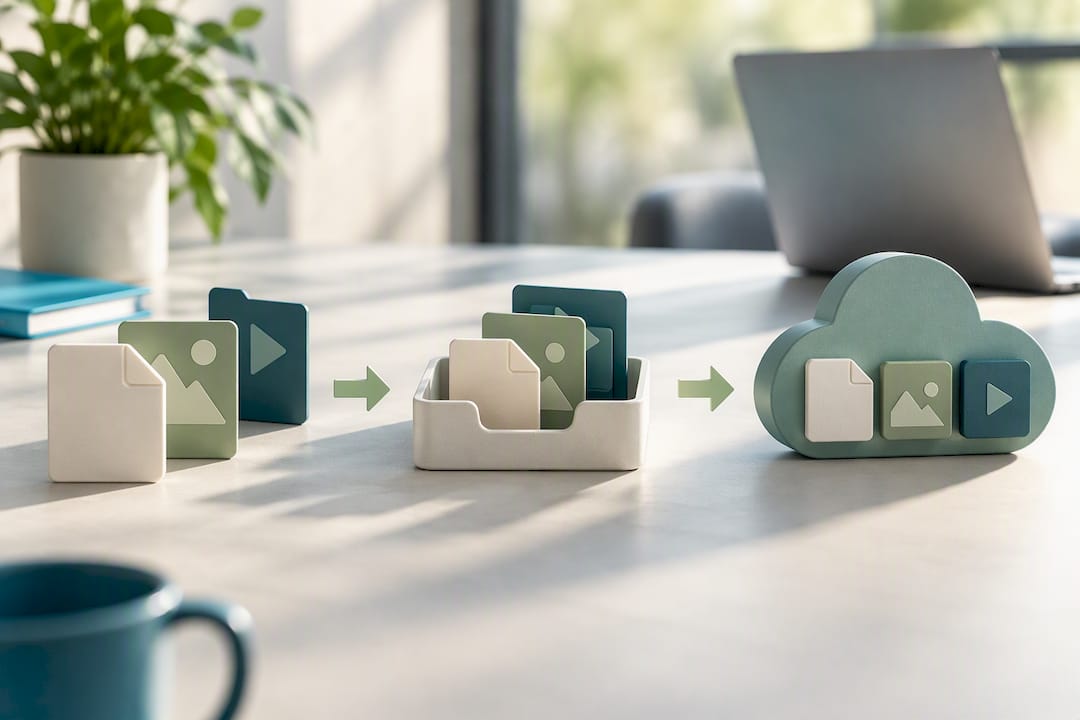
Where the kit lives matters as much as what’s in it. A kit buried behind a “request access” form does not get used, because most reporters simply move on. EasyPRwire treats a public online newsroom or /press page as the professional standard, and for good reason: a gated kit adds friction at the exact moment a journalist has the least patience for it.
Host the kit on an indexable /press or /newsroom page, or on a direct cloud folder link that opens without a login. Link it from your site’s footer and contact page so it’s never more than one click away. Follow these format rules:
- Headshots: minimum 300 DPI, labeled with full name and shoot date.
- Logos: SVG plus PNG, in versions built for both light and dark backgrounds.
- Video: MP4 files encoded in H.264, trimmed short, with captions burned in or provided as a separate file.
- Images: include alt text and a one-line caption for every asset.
- Keep the page free of “noindex” tags. A searchable press page, as EasyPRwire’s research on hosted media kits shows, gets found by reporters who are searching cold, not just the ones you’ve already pitched.
Date stamp every file and version releases so nobody downloads an outdated bio by mistake.
What Do Journalists Actually Want From a Press Kit?
Reporters are buried in self-promotional pitches, and a press kit only earns attention once genuine interest is already there. The furia rubel guide to media relations tools frames the kit correctly: it’s supplemental material that supports a pitch, not the pitch itself.
Once a journalist opens the kit, here’s what makes their job faster:
- A one-paragraph summary of the firm and a few pull quotes they can use with attribution, so they’re not stuck paraphrasing legal language.
- A subject matter expert guide that maps each attorney to their beat, with two or three suggested story hooks per lawyer.
- A clearly marked embargo note and a direct phone number for the named media contact, not a “fill out this form” link.
- No marketing fluff. Skip the adjectives and skip anything locked behind an email gate.
The most common failure modes are painfully avoidable: bios that reference an attorney who left the firm two years ago, missing logo files, and headshots buried in an email attachment nobody can find. Any one of these can cost a firm a segment.
How Do You Use the Media Kit in Outreach?
The kit does the supporting work. The pitch still has to lead. Pair the two the right way and pickups follow a predictable pattern.
- Pitch first, briefly. Lead with the news angle in two or three sentences, and include the media kit link for follow-up. Evidence over adjectives.
- Choose your distribution channel deliberately. Wire distribution suits announcements with broad appeal; a targeted pitch list works better for beat reporters who cover legal affairs specifically. LaGrande Marketing notes that press releases paired with a media kit tend to earn more backlinks and referral traffic than releases sent alone.
- Time it deliberately. Mid-week mornings generally see better open rates than Monday scrambles or Friday afternoon inboxes.
- Stamp embargoes clearly in the release itself and provide a monitored media line reporters can call with questions before publication.
- Assign someone to own inbound requests. Log every journalist inquiry so nothing sits unanswered for two days while a competing firm’s press office responds in twenty minutes.
If you fold a law firm SEO strategy into your kit’s bio pages, earned coverage links back to content that’s actually built to convert that traffic.
How Often Should You Update the Kit?
A media kit that hasn’t changed in two years is worse than no kit at all, because it actively misleads reporters. Assign one person as the kit owner and set a quarterly review on the calendar, with immediate updates the moment a partner leaves, a new hire joins, or contact information changes.
- Date stamp every asset and archive older press releases rather than deleting them.
- Display a “last updated” date directly on the press page.
- Track media pickups, inbound journalist emails, backlinks, and referral traffic as your core signals that the kit is doing its job.
- Run a short quarterly checklist: confirm headshots are current, confirm the phone number rings to a real desk, and confirm no dead links point to old releases.
Why We Build Lawyer Media Kits This Way
Speed wins coverage. A reporter on a two-hour deadline picks the firm whose bio, headshot, and quote are ready to drop into copy, not the one that requires a callback. A PR firm founded in 2010 by former members of the media shapes its kit-building approach for the newsroom, not the client’s ego. That approach earned a Bulldog Reporter Gold Award and a mention from the New York Observer among the top legal PR agencies. We’ve seen a single well-organized subject matter expert guide turn a cold pitch into a same-week television booking, simply because the producer didn’t have to guess who to call.
— Ryan McCormick
Ready to Build Your Firm’s Media Kit?
Goldman McCormick PR is the alternative to assembling a press kit yourself and hoping it lands. Where a self-built kit usually stalls at outdated bios and unanswered pitch emails, we run the full cycle: press-ready materials, distribution, and the follow-up that actually gets attorneys booked.
Our team builds the assets your firm needs and puts them to work through traditional media placement, press release writing and distribution, media training so your attorneys perform once the camera is rolling, and press conference organization for firms with breaking news to announce. Engagements run either project-based, for a single launch or campaign, or as an ongoing retained partnership for firms that want a consistent media presence. Visit our service pages to see the full lineup, or reach out to book a consult and get your firm’s kit into a journalist’s inbox this quarter.
Sources
- Building a media kit that journalists actually use | JournalistDB
- Press kit examples: what to include + real samples | EasyPRwire
- Public relations skills boost law firms | The National Law Review
- Law firm press releases for SEO, AI visibility, and brand trust | LaGrande Marketing
FAQ
What Is a Lawyer Media Kit Used For?
A lawyer media kit gives journalists the bios, headshots, fact sheet, and contact details they need to write a story about a firm quickly and accurately. It supports a pitch rather than replacing it, according to furia rubel’s media relations guide.
Where Should a Law Firm Host Its Press Kit?
The strongest option is a public, indexable /press page on the firm’s own website, or a direct cloud folder link that opens without a login. EasyPRwire treats a gated kit behind a request form as a common source of journalist frustration.
What Size Should Attorney Headshots Be?
Headshots should be at least 300 DPI and labeled with the attorney’s full name and the date the photo was taken. Provide the file in a common format like JPG or PNG so it drops directly into broadcast or print layouts.
How Often Should a Firm Update Its Media Kit?
Review the kit quarterly, and update it immediately after any staff change, new case win, or contact information update. An outdated bio or a dead phone number is one of the fastest ways to lose a journalist’s trust.
Does Goldman McCormick PR Build Media Kits for Attorneys?
Yes. Goldman McCormick PR builds and hosts press-ready materials for law firms as part of its broader public relations services, including bios, releases, and subject matter expert guides. Current pricing and service details are available directly on the firm’s site.