
Build a message map with one home message and three supporting points, each backed by proof, before you walk into any interview. Organizations that invest in structured media training generate 3x more positive coverage per media interaction than those that send spokespeople in unprepared. Draft the map, write quote-ready lines for each support, then rehearse bridging phrases in a recorded mock interview until the pivots feel automatic.
TL;DR:
- A well-structured message map focusing on a central home message and three supporting points can triple positive media coverage.
- The three-message rule is supported by research indicating that audience retention peaks at three distinct points, avoiding clutter.
- Support proof points should be complete sentences with clear evidence, attached to each support to ensure credibility.
- Effective bridging and rehearsing mock interviews are essential for deploying the message map confidently under pressure.
- Media training with experienced journalists emphasizes format-specific practice to improve pacing, tone, and message retention during live interviews.
Table of Contents
- What Is Message Mapping for Interviews?
- Core Structure: The Three-Message Rule, Proof Points, and Language Guardrails
- How to Build a Message Map You Can Use in an Interview
- Using the Message Map On Air: Bridging, Formats, and Pacing
- Practice and Testing: Mock Interviews, Timing, and Measurement
- Why Publisher Credentials Matter in Media Training
- When a Three-Message Map Changed the Outcome
- How Goldman McCormick PR Turns Message Maps Into Media Training
- Sources
What Is Message Mapping for Interviews?
A message map is a one-page document built around a hub-and-spoke structure: one home message at the center, three supporting messages branching off it, and proof points anchoring each branch. Think of it as the strategic backbone behind every answer you give, so a message map translates strategy into audience-specific key messages, proof points, and phrasing you can actually use under pressure.
The three-message limit isn’t arbitrary. Wharton School research on spoken presentations found that audience retention tops out at three distinct points, which means a fourth message doesn’t add clarity, it just crowds out the other three. A tight map does two things for you in an interview:
- It reduces reactive, off-the-cuff answers that wander from your actual point.
- It increases message pull-through, the odds your core point survives the edit and lands in the published piece.
Core Structure: The Three-Message Rule, Proof Points, and Language Guardrails
Every usable message map has four working parts, and skipping any one of them is how spokespeople end up sounding rehearsed instead of credible.
- Home message. One sentence, delivered within the first 30 seconds of the interview, that states your central point plainly.
- Three supporting messages. Each one answers a distinct audience concern rather than restating the home message in different words.
- Proof points. A number, a named piece of evidence, or a short anecdote attached to each support. Claims that follow a claim, evidence, relevance pattern are retained by audiences at roughly 2.8 times the rate of unstructured talking points.
- Language guardrails. Words and phrases you’ve pre-approved, plus terms your legal or compliance team has ruled out.
Pro Tip: Write your proof points as complete sentences, not fragments. “Client satisfaction improved” is forgettable. “Satisfaction scores rose 22 points in six months” is quotable.
How to Build a Message Map You Can Use in an Interview
Building a working map takes about an hour if you follow the sequence in order rather than jumping straight to wording.
- Identify your audience and their core question. What does this outlet’s readership or viewership actually want to know? Frame it as their “what’s in it for me,” since Gallup research links employee understanding of customer priorities to clearer communication outcomes, and the same logic applies to any audience you’re addressing.
- Draft the home message. One sentence. No caveats. No jargon.
- Write three supporting messages, each tied to a different angle of the audience’s concern.
- Attach proof to each support. A statistic, a named source, or a specific example.
- Write quote-ready lines. Aim for 10 to 15 words for print, and 20 to 30 second sound bites for broadcast.
- Create bridging phrases that let you acknowledge a question and pivot back to your map.
- Run a quick validation test. Read the map aloud to a colleague and ask what they remember five minutes later.
A finished map should also include:
- The specific audience and core concern you’re targeting
- Language guardrails flagging any terms to avoid
- Channel notes on which support fits which outlet format
A message map guide built for PR teams recommends keeping this exact structure as a single source of truth across pitches, interviews, and launch materials, so you’re not rewriting your positioning every time a new opportunity comes up.
Using the Message Map On Air: Bridging, Formats, and Pacing
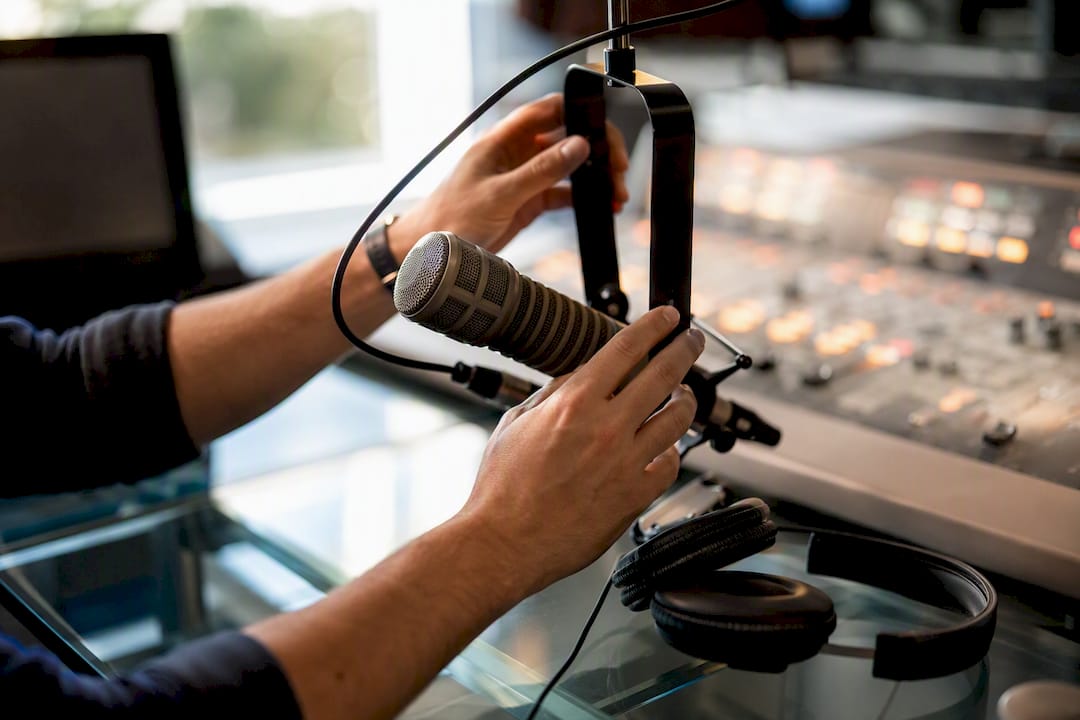
A map only works if you can deploy it under pressure, and that comes down to bridging. The standard template is acknowledge, then pivot: “That’s a fair question, and here’s what matters most for your readers…” Trained bridging techniques reduce off-message quotes by an estimated 65% compared to unstructured responses, which is the single biggest performance gap between prepared and unprepared spokespeople.
Format changes the shape of your answer, not the substance of your map:
- Print rewards a tight, quotable sentence a reporter can lift directly.
- Broadcast demands a 20 to 30 second answer with camera presence, since dead air reads worse on video than on the page.
- Podcasts run longer and live online indefinitely, so phrasing needs to hold up to permanence, not just soundbite polish.
Never repeat a hostile interviewer’s negative framing back to them, even to deny it. Restating “we are not negligent” plants the word “negligent” in the listener’s head. Bridge to your support message instead, and vary your bridging language from question to question. Repeating the exact same bridge phrase signals evasion rather than composure.
Practice and Testing: Mock Interviews, Timing, and Measurement
A message map that hasn’t been rehearsed out loud is still a draft, not a tool. Run these before your next real interview:
- Record a mock interview with a colleague playing an adversarial reporter, then watch the playback together and flag every moment your answer drifted from the map.
- Time-box your sound bites. Practice hitting 20 to 30 seconds on camera and 10 to 15 words in a simulated print quote.
- Rehearse by format. Do one pass on camera, one on the phone, and one as a remote video call, since your pacing shifts with each.
- Track pull-through after real interviews. Did your home message appear in the published piece? Was the tone favorable? That’s a rough proxy for share of voice.
Media training programs typically call for at least four hours of initial training with 90-minute quarterly refreshers to keep these reflexes sharp. Skip the refreshers and the bridging habits erode within a few months.
Why Publisher Credentials Matter in Media Training
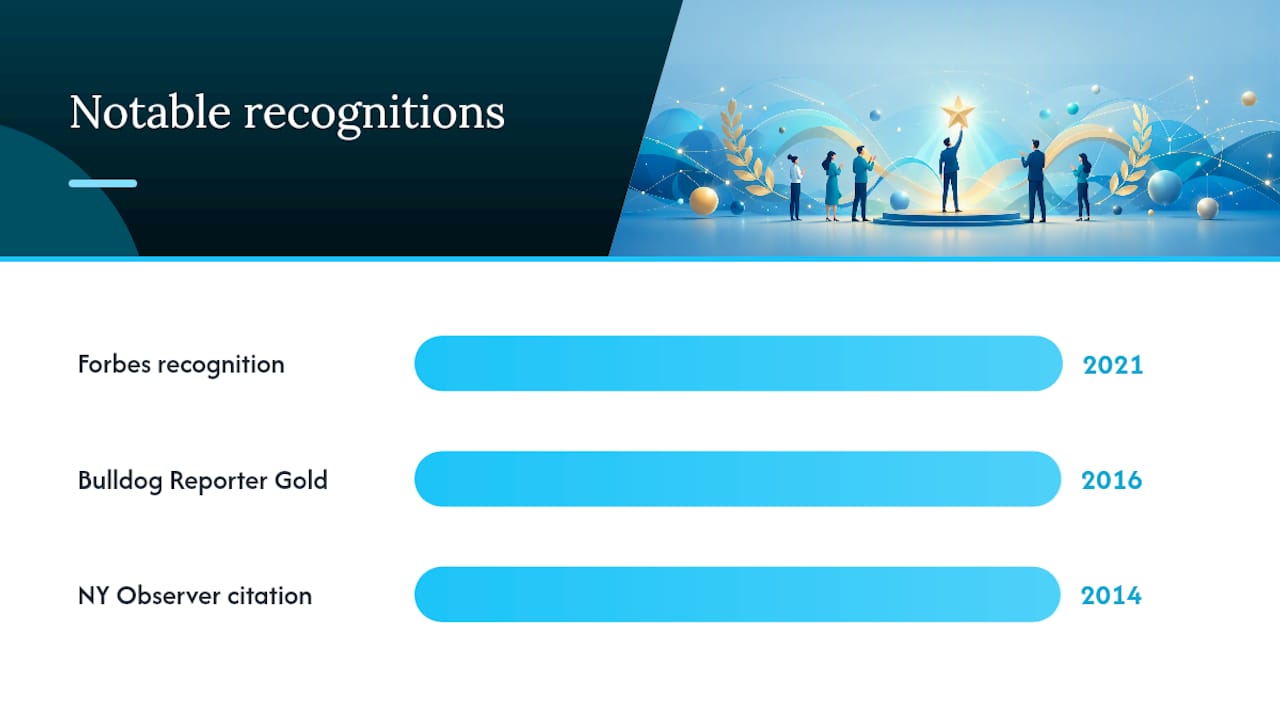
Goldman McCormick PR was founded in 2010 by former members of the media, which shapes how the firm builds message maps: from the reporter’s side of the table, not just the client’s. The firm was named one of “America’s Best PR Firms” by Forbes in 2021, earned a Gold Award in Bulldog Reporter’s CSR Awards in 2016, and was cited by the New York Observer in 2014 as one of the top five agencies specializing in legal PR.
A typical training session covers:
- Message development and proof-point drafting
- Bridging drills against adversarial questions
- Recorded mock interviews with playback review
- Delivery coaching for pacing, tone, and camera presence
When a Three-Message Map Changed the Outcome
I’ve watched a spokesperson walk into a hostile interview with a single home message and three proof-backed supports, nothing more. Every attempt to drag them off-topic got a two-second bridge, then a return to the map. The published piece led with their home message, not the reporter’s angle. The takeaway: write your bridge phrases down before the interview, not during it. Improvising a pivot under pressure is where most spokespeople lose control of the narrative.
— Ryan McCormick
How Goldman McCormick PR Turns Message Maps Into Media Training
Goldman McCormick PR is the alternative to generic media coaching for professionals who need interview-ready messaging, not a theory lecture. Because the team includes former working journalists, training sessions build your message map, drill bridging against real adversarial questions, run recorded mock interviews, and coach delivery for print, broadcast, and podcast formats in the same engagement.
That media-side perspective is why Forbes named the firm one of America’s best PR firms in 2021, and it shows up in how sessions are structured: less generic advice, more format-specific rehearsal built around your actual upcoming interview. If you have a media appearance on the calendar, the fastest way to get interview-ready is to book a media training session and walk in with a map you’ve already tested out loud.