
Earned media is defined as third-party coverage a lawyer or law firm receives without paying for placement, including news features, editorial mentions, podcast appearances, and expert commentary. The benefits of earned media for lawyers are measurable and significant. A 2026 report from Baden Bower shows earned editorial placements deliver 10.2× higher ROI for legal services compared to paid advertising. That gap exists because clients hiring attorneys are making high-stakes decisions. They trust independent journalists and editors far more than they trust ads.
1. What makes earned media more credible than paid ads for lawyers?
Earned media carries credibility because no one paid for it. A journalist at The Wall Street Journal or a legal editor at Law.com chose to feature your firm based on merit. That independence is exactly what clients notice.

The trust gap between earned and paid content is wide. Clients trust earned editorial coverage at far higher rates than paid advertising. The 2026 Baden Bower report puts the lead-to-close rate for earned placements at 31%, compared to 12% for paid ads. That difference reflects a basic psychological reality: people believe what others say about you more than what you say about yourself.
For lawyers specifically, this matters more than in most industries. A client facing a lawsuit, a custody battle, or a criminal charge is not browsing casually. They are vetting carefully. Third-party validation through media coverage, awards, and rankings signals competence before the first conversation ever happens.
- Earned coverage appears independent, which makes it persuasive
- Paid ads are immediately recognized as self-promotion
- Editorial mentions in respected outlets transfer credibility to your firm
- Media coverage reduces client uncertainty at the decision-making stage
Pro Tip: Save every earned media placement in a dedicated press page on your firm’s website. Clients researching you will find it, and it compounds your credibility over time.
2. How do strong media relationships benefit lawyers over time?
Media relationships are not a one-time transaction. They are a long-term asset. A Law.com 2026 analysis shows that lawyers who engage consistently with reporters and editors receive repeated requests for commentary, trend analysis, and expert quotes. Each placement builds on the last.
The compounding effect works like this:
- A reporter quotes you once on a contract dispute case
- That quote gets indexed and read by other journalists
- A second reporter calls you for a follow-up on a related story
- Over time, you become the go-to source in your practice area
- AI platforms like ChatGPT and Google AI Overviews begin citing your commentary in answers
That last point is not theoretical. Earned editorial placements are cited approximately 20 times more often in AI-generated answers than wire-distributed press releases. Lawyers who build genuine media relationships are positioning themselves for discovery in the next generation of search.
Relationships also shape industry narratives. When you are a trusted source, journalists call you before a story runs, not after. That gives you the opportunity to frame issues, correct misconceptions, and establish your firm’s perspective as authoritative.
3. How earned media improves search rankings and AI visibility for law firms
Earned media placements generate backlinks from authoritative outlets. Those backlinks raise your firm’s domain authority and improve organic search rankings. Unlike paid ads, which stop working the moment you stop paying, earned placements persist indefinitely.
Legal Hero Marketing confirms that media mentions with backlinks boost SEO and organic search visibility well beyond the original campaign period. A feature in a regional business journal from two years ago still passes authority to your site today. That is the durability advantage paid advertising cannot match.
| Media Type | SEO Impact | Longevity | AI Citation Rate |
|---|---|---|---|
| Earned editorial | High (backlinks + authority) | Permanent | ~20× higher than press releases |
| Paid advertising | None | Ends with spend | Minimal |
| Wire press releases | Low | Short-term | Low |
| Bylines and podcasts | High (durable artifacts) | Permanent | High |
AI platforms prioritize credible, third-party content when generating answers. A byline in a respected legal publication or an appearance on a nationally syndicated podcast creates a durable artifact that AI systems recognize and cite. Lawyers who invest in earned media are building the exact type of content that AI discovery rewards.
Pro Tip: Target outlets with strong domain authority when pitching stories. A single placement in a high-authority publication outperforms dozens of mentions in low-authority directories.
4. What compliance rules must lawyers follow when using earned media?
Earned media is not exempt from regulatory scrutiny. The FTC’s 2026 testimonial and endorsement guidelines require lawyers to avoid deceptive third-party proof and disclose any material connections. Misusing earned media content in marketing is one of the most common compliance pitfalls in legal PR.
The FTC’s 2026 guidance applies directly when lawyers repurpose media coverage in their own marketing materials. Quoting a journalist out of context, implying an endorsement that was not given, or failing to disclose a paid relationship all create enforcement risk.
Key compliance rules for lawyers using earned media:
- Never misrepresent the nature of a media placement as independent when a material connection exists
- Quote journalists and publications accurately and in full context
- Disclose any sponsored content or paid placements clearly
- Avoid using client testimonials in ways that create false impressions about typical outcomes
- Review all repurposed media content against current FTC guidelines before publishing
Credible measurement of earned media also matters for compliance. Organizations including AMEC, CIPR, and PRSA reject Advertising Value Equivalency (AVE) as a measurement standard. Meaningful earned media valuation integrates outlet authority, message accuracy, sentiment, and audience relevance. Lawyers and their PR firms should use these frameworks to report results honestly.
5. How earned media builds referral networks and firm reputation
Repeated media presence creates what researchers call the mere exposure effect. The more potential clients and referral sources see your name in credible outlets, the more comfortable they feel recommending you. Legalverse Media’s 2026 research confirms that earned media visibility deepens referral potential while also aiding lateral recruitment and internal morale.
Referral attorneys are more likely to send clients to a firm they have seen featured in respected publications. That visibility signals competence without requiring a direct conversation. The reputation does the work before you ever pick up the phone.
Earned media also helps firms compete in crowded practice areas. When two firms have similar credentials, the one with consistent media coverage wins the perception battle. Media coverage, awards, and rankings function as credibility markers that reduce client uncertainty at the exact moment they are choosing representation.
Key Takeaways
Earned media is the most cost-effective way for lawyers to build credibility, improve search visibility, and accelerate client trust because it delivers third-party validation that paid advertising cannot replicate.
| Point | Details |
|---|---|
| ROI advantage | Earned media delivers 10.2× higher ROI for legal services than paid advertising. |
| Trust gap | Earned placements close leads at 31% vs. 12% for paid ads, reflecting stronger client trust. |
| SEO durability | Backlinks from earned placements improve domain authority permanently, unlike paid ads. |
| AI visibility | Earned editorial content is cited roughly 20× more often in AI answers than press releases. |
| Compliance requirement | FTC 2026 guidelines require accuracy and disclosure when repurposing earned media in marketing. |
Why earned media is the most underused asset in legal marketing
Lawyers spend heavily on Google Ads and directory listings, and most of that spend produces diminishing returns. I have watched firms pour five-figure monthly budgets into paid search while ignoring the one channel that actually moves the needle on trust: earned media.
The firms that win long-term are the ones building genuine journalist relationships now. Not pitching press releases into a void, but actually providing reporters with useful expertise, timely commentary, and honest perspective. That investment pays back in ways a paid ad never can. A feature in a major outlet gets shared, cited, and remembered. An ad gets scrolled past.
Compliance is where I see lawyers get careless. The FTC rules on testimonials and endorsements are not optional, and repurposing earned coverage without checking context is a real risk. Get your PR firm and your ethics counsel aligned before you publish anything that quotes a journalist or implies an endorsement.
The lawyers who treat earned media as a long-term reputation asset rather than a short-term traffic play are the ones building practices that last. Start with one strong media relationship, deliver genuine value to that reporter, and let the compounding begin.
— Ryan McCormick
Goldman McCormick PR: earned media for law firms
Goldman McCormick PR has specialized in legal PR since its founding in 2010, and the New York Observer named it one of the top five PR agencies in legal public relations in 2014. Forbes Magazine recognized Goldman McCormick PR as one of America’s Best PR Firms for 2021.
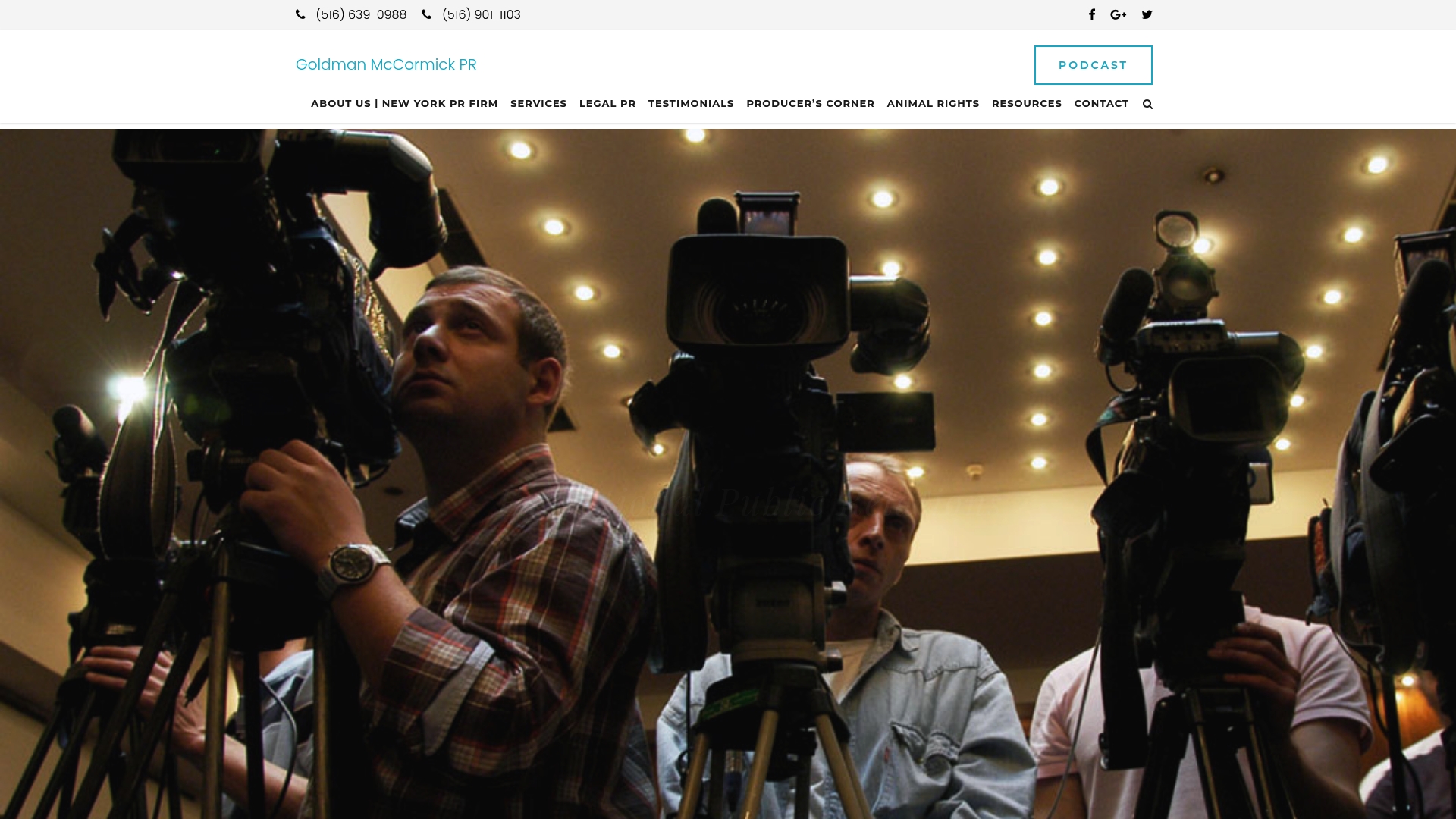
The firm places clients on TV, radio, and in newspapers, and produces nationally syndicated radio programs on the Genesis Communications Network and Starcom Radio Network. For law firms and attorneys ready to build the kind of media presence that converts prospects into clients, Goldman McCormick PR delivers consistent, credible earned media results backed by real journalist relationships. Contact the firm to discuss a media strategy built for your practice.
FAQ
What is earned media for lawyers?
Earned media is coverage a lawyer receives from independent journalists, editors, or broadcasters without paying for placement. It includes news features, expert quotes, podcast appearances, and editorial mentions.
Why do lawyers need earned media over paid advertising?
Earned media converts leads at 31% compared to 12% for paid ads, according to the 2026 Baden Bower report. Clients trust independent coverage far more than self-funded advertising.
How does earned media help law firm SEO?
Media placements generate backlinks from authoritative outlets, which raise a firm’s domain authority and improve organic search rankings permanently, unlike paid ads that stop working when the budget runs out.
What FTC rules apply to lawyers using earned media?
The FTC’s 2026 guidelines require lawyers to disclose material connections and avoid misrepresenting earned coverage as independent endorsements. Repurposing media content without accurate context creates enforcement risk.
How long does it take to see results from earned media?
Results compound over time rather than arriving immediately. A single strong placement can generate follow-up coverage, AI citations, and referral inquiries for years after the original publication date.