
Radio syndication means licensing your show to multiple stations instead of building an audience one station at a time, and it works through three practical routes: cash licensing, barter (ad-split) deals, or a distribution platform that automates delivery and outreach. Syndication generally runs on three business models: cash, barter, or a hybrid of both, with barter still the standard entry point for most producers breaking into new markets.
Here’s the roadmap this guide follows:
- Prepare your show to station-ready specs (format, IDs, metadata, length)
- Choose a delivery method that fits your scale (manual upload vs URL-based automation)
- Clear affiliates through targeted outreach and PR
- Negotiate a contract and lock in your revenue model
Key Takeaways
Radio syndication succeeds when a station-ready show, the right delivery method, and a clear-eyed contract come together with consistent affiliate outreach.
| Point | Details |
|---|---|
| Choose your model deliberately | Start with barter to build affiliates fast, then renegotiate toward cash once you have audience proof. |
| Prepare a station-free master | Strip local mentions, normalize loudness, and add proper IDs and cue tones before pitching any station. |
| Use URL-based delivery at scale | A permanent show URL, like RadioSync’s approach, removes manual re-uploads once you pass a handful of affiliates. |
| Protect yourself in the contract | Negotiate territory, term, and exclusivity harder than the ad split, and get legal counsel before signing. |
| Get PR support for affiliate clearing | Goldman McCormick PR helps producers pair media outreach and trade coverage with production support to speed up station pickups. |
Table of Contents
- What Is Radio Syndication and What Types Exist?
- Syndication Business Models: Cash, Barter, and Hybrid Explained
- How to Prepare a Show for Syndication
- Distribution and Delivery Methods: FTP, URL Delivery, and Automation
- How Do Stations Decide Which Shows to Pick Up?
- Contracts, Rights, and Revenue: What to Negotiate
- How to Find Syndicators or Distribution Platforms
- What’s the Realistic Timeline and Cost for Syndication?
- Publisher Experience: How Goldman McCormick PR Supports Radio Producers
- When Syndication Actually Makes Sense (and When It Doesn’t)
- Get Hands-On Help Getting Your Show on the Air
- Selected Resources for Going Deeper
- Sources
What Is Radio Syndication and What Types Exist?
Radio syndication is the practice of licensing a single show to be aired on multiple independent stations, each of which programs it on its own schedule. That last part is the detail most beginners miss: unlike network programming, which often requires synchronized air times within a time zone, syndicated content lets each station pick its own day and time slot. A station in Ohio might air your show at 9 AM while one in Nevada runs it at 7 PM, and that flexibility is exactly what makes syndication attractive to smaller and mid-market stations that need to fill hours without hiring full-time talent.
There are three main flavors of syndication, and they matter because they determine who you’re competing against and what stations expect from you.
- First-run syndication covers original programming produced specifically for multiple stations at once, which is where most independent talk hosts and specialty music shows live.
- Off-network syndication repurposes content that already aired somewhere else (a segment from a network show re-cut for standalone distribution), giving stations proven material at a lower risk.
- Public/noncommercial syndication runs through public radio networks that sell or share programming to member stations, often under different funding and underwriting rules than commercial syndication.
Format matters just as much as the syndication type. Talk radio syndication is typically daily and live, which demands a host who can produce consistently and a delivery system that pushes fresh audio out fast. Music specialty shows tend to run weekly and pre-produced, giving you more room to polish the final cut before it goes out. Weekly specialty programs, whether music countdowns or interview formats, occupy a middle ground: less pressure than daily talk, but still enough of a production cadence that stations can build listener habits around a fixed weekly slot.
Knowing which category your show falls into shapes almost every decision that follows, from how you price it to which stations you pitch first.
Syndication Business Models: Cash, Barter, and Hybrid Explained
Most producers get one shot at negotiating their first syndication deal well, and the difference between a good deal and a bad one usually comes down to whether you understand these three models before you sit down at the table.
Cash licensing is the simplest to explain and the hardest to land as a new producer: a station pays you a flat fee (or a per-episode rate) for the right to air your show, and you keep control of all your own ad inventory. Cash deals work best once you have ratings data or a track record that justifies the fee, which is why most new shows don’t start here.
Barter deals flip that structure. Instead of paying you, the station airs your show for free in exchange for airing a set number of national ads sold by you or your distributor. Barter models remain the standard practice for both live and pre-produced syndicated programming in the American market, largely because they eliminate the station’s upfront cost. Typically, the split works like this: you retain national ad inventory (which you sell to sponsors who want reach across your whole affiliate list) while the station keeps its local ad slots to sell to its own advertisers. Nobody’s out of pocket, and everybody has skin in the show’s success.
Barter deals lower the upfront cost for stations while handing producers a real asset (national ad inventory) they can build a revenue stream around from day one.
Hybrid deals blend the two, often starting as barter to get initial pickups, then shifting toward cash or revenue-share once a show proves its audience. This staged approach is common enough in music syndication that it’s practically the default growth path for shows that eventually command real licensing fees: establish presence through barter, gather audience data, then renegotiate.
Negotiation levers to watch for in any of these structures:
- Exclusivity: does the station get sole rights in its market, and for how long?
- Daypart: are you locking in morning drive, afternoons, or an unspecified slot?
- Territory: is this a single-market deal or does it cover a whole region or format cluster?
Push on exclusivity and territory before you push on money. A non-exclusive barter deal in a small market is worth far less than an exclusive one in a market where you’re the only comparable show on the dial.
How to Prepare a Show for Syndication
Stations won’t take a chance on a show that creates work for their engineers. Every hour they spend fixing your audio or chasing missing metadata is an hour they resent giving you airtime, so preparation is where most syndication deals are actually won or lost, long before a contract shows up.
- Settle on a length and cadence. A weekly one-hour show is the most common default in syndication because it slots cleanly into a single programming block without forcing a station to rework its entire schedule. Daily talk shows need tighter turnaround but benefit from building a habitual listening slot.
- Meet basic audio quality specs. Deliver consistent loudness normalization (most stations expect broadcast-standard levels, not the wide dynamic swings common in podcast production), and export in the file format your delivery method requires, usually MP3 or WAV.
- Produce a clean version with no station mentions. This is non-negotiable. A show still referencing “the number one station in Cleveland” is useless to a station in Tampa. Every syndicated episode needs a station-free master.
- Add the technical markers automation systems expect. That means proper IDs, jingles, sponsorship markers, embedded metadata, and cue tones so a station’s automation software can trigger breaks and legal IDs without a human babysitting the board.
- Build a media kit. A demo reel, a one-page show summary, listener metrics if you have them (even modest ones), and a sample of past outreach or press coverage all belong in the packet you send to program directors.
Stations also tend to prefer station-free segments and regular, predictable cadence because it makes their scheduling job simpler. If your show runs weekly with clean act breaks and no dated references, you’ve already removed the two biggest reasons a program director says no.
Pro Tip: Record two versions of every episode from the start: a station-ready cut with clean breaks and no local mentions, and your original with any personal branding intact. Retrofitting old episodes for syndication later is far more painful than building the habit from episode one.
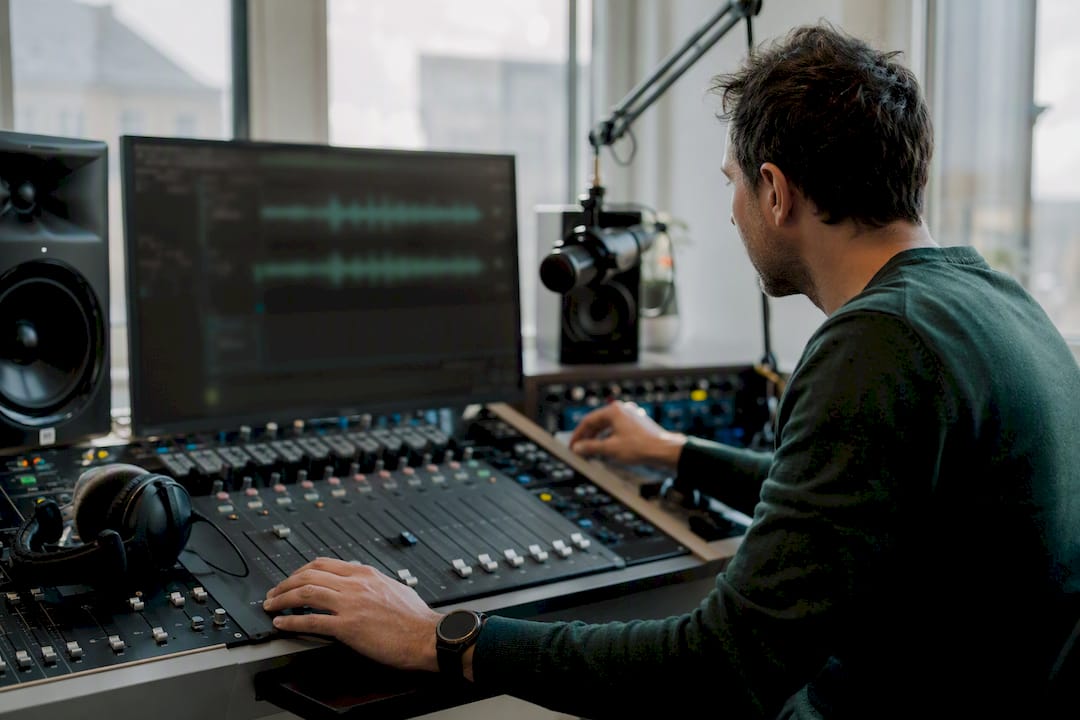
Packaging matters as much as production quality. Program directors get pitched constantly, and a scattered submission (a Dropbox link with no context, an email with three attachments and no explanation) reads as amateur even if the audio itself is broadcast-ready. A tight one-page media kit with a link to a demo reel, a short bio, and any listener numbers you can honestly claim will get opened before a wall of text ever does.
Distribution and Delivery Methods: FTP, URL Delivery, and Automation
The technical side of syndication splits into two camps: manual delivery and URL-based automation, and the gap between them determines how much of your week gets eaten by file management once you have more than a handful of affiliates.
Manual delivery covers the traditional route: FTP uploads or straight email attachments sent to each station individually, episode by episode. It works fine for two or three affiliates. It becomes a logistical mess at twenty, because you’re now tracking which station has which file version, chasing missed uploads, and fielding “we never got this week’s episode” emails on a Friday afternoon.
URL-based delivery solves that by giving each show a permanent link that a station enters once into its playout system. Platforms built around this model, RadioSync being one concrete example, let stations pull the latest episode automatically every time you publish, with no re-upload and no risk of a station airing a stale file. That single permanent URL, entered once, removes one of the most common technical friction points in the entire syndication process.
Once a station enters your permanent show URL into its automation system, it never has to think about your delivery again. The show simply updates itself every week.
This matters because most mid-size and large stations run on automation platforms like Selector, Zetta, WideOrbit, or Myriad, and those systems are built to ingest scheduled content from a consistent source. A permanent URL integrates cleanly with that workflow; a rotating cast of email attachments does not.
A few practical wrinkles to plan around:
- Geo-blocking and territory rules can restrict which stations can even access a feed, which matters if your contract grants exclusivity in a specific market.
- Automated scheduling assumes a predictable file drop time, so publishing your episode late (even by a few hours) can leave a gap in a station’s automation queue.
- Format conversion between your master file and what a station’s system expects is one thing a distribution service typically handles automatically, where manual delivery leaves it entirely on you.
Distribution platforms exist precisely to remove this friction. Services in this space automate format conversion, reporting, and station outreach, which is the difference between spending your Tuesdays doing tech support for affiliates and spending them producing your next episode. For a producer with one or two affiliates, manual FTP delivery is perfectly workable. Past five or six stations, a URL-based system stops being a convenience and starts being the only way to scale without hiring someone just to manage file transfers.
How Do Stations Decide Which Shows to Pick Up?
Getting a show cleared by a station is not one decision. It’s a sequence of smaller ones made by different people, and understanding who those people are changes how you pitch.
A functioning syndication operation runs on four components: programming, affiliate clearing, sales, and management, each doing distinct work. Affiliate clearing, specifically, combines marketing, targeted PR, affiliate supervisors making direct calls, and customer service keeping existing stations happy so they don’t drop the show at renewal. If you’re syndicating solo, you’re effectively wearing all four hats at once, which is worth knowing before you assume “great show” is enough.
Program directors evaluating a new show tend to weigh the same handful of factors every time:
- Format fit: does this slot cleanly into what the station already plays, or does it force a jarring transition?
- Ratings potential: is there any evidence (audience data, prior market performance, comparable show benchmarks) that this will hold or grow listenership?
- Host profile: does the host have a recognizable name, a niche following, or credibility in a subject area the station’s audience cares about?
- Local ad opportunity: in a barter deal, how much local inventory does the station retain, and is that inventory actually sellable in their market?
Pitching a program director works best as a short, specific email: what the show is, who the host is, why it fits their format, and a link to a demo, followed by a single respectful follow-up if you don’t hear back in a week or two. Persistent, repeated pestering does more damage than silence.
One factor that’s easy to underrate: a coordinated affiliate-clearing effort, pairing trade-press coverage with direct outreach from someone whose job is specifically affiliate relations, tends to be the actual difference between a show that scales past a handful of stations and one that stalls at three. Trade coverage in industry publications and testimonials from existing affiliates give a program director social proof that reduces their perceived risk in adding an unproven show. A station manager who reads about your show in a trade outlet before you ever pitch them arrives at the conversation already halfway convinced.
Contracts, Rights, and Revenue: What to Negotiate
A syndication contract is where good intentions either get locked in or quietly disappear. Read every clause before you sign, and don’t assume boilerplate language protects you the way it protects the syndicator.
- Scope and territory. Define exactly which markets the agreement covers and whether the station has exclusive rights there, or whether you can place a competing station in the same metro area.
- Term and renewal. Most deals run 6 to 12 months initially, with automatic renewal clauses that can quietly extend for years if you don’t flag them. Know your opt-out window.
- Termination rights. Both sides need a clear exit path: what happens if a station stops airing episodes without notice, or if you miss delivery deadlines repeatedly.
- Ad inventory division. Spell out exactly how many minutes per hour belong to the producer (national) versus the station (local), and who has final approval on advertiser categories.
- Public performance rights and music licensing. If your show plays music, confirm who’s responsible for ASCAP, BMI, or SESAC licensing fees, because this is one of the most commonly overlooked line items in a first-time contract.
Pro Tip: Never assume a station’s blanket music license covers your syndicated content automatically. Ask directly and get it in writing, because licensing gaps are one of the most expensive mistakes a new syndicator can make.
Revenue splits vary by structure. In a cash deal, the station pays a negotiated licensing fee (flat or per-episode) and may retain all of its own ad inventory outright. Hybrid arrangements often start with a barter split and shift toward a negotiated cash fee once the show proves audience retention over several months.
Get legal counsel involved before signing anything that includes exclusivity, automatic renewal, or music licensing responsibility. A one-hour consultation with an entertainment or media attorney costs far less than the mess of an exclusivity clause that locks you out of your best market for two years. Negotiate territory and term length harder than you negotiate the ad split. Money terms are usually revisable at renewal. Territory and term lock you in.
How to Find Syndicators or Distribution Platforms
Finding the right path to syndication comes down to a choice between building your own affiliate list station by station, or partnering with a service that already has those relationships built.

Start your search in a few consistent places: industry trade publications that cover programming moves and affiliate news, distribution platform marketplaces where stations actively browse available shows, and producer networks or forums where independent hosts trade notes on which stations are actively adding new programming.
DIY outreach gives you full control over relationships and keeps more revenue in your pocket since you’re not splitting fees with a distributor. It also means you’re doing every part of that four-component job (programming, clearing, sales, management) yourself, which is a heavy lift for a solo producer. Distribution services trade some revenue share for automated station outreach, format conversion, and reporting, which meaningfully increases discoverability without you cold-emailing program directors for months.
Before signing with any distribution partner, run through this checklist:
- Reach: how many active affiliate stations does the platform actually have, and in what formats?
- Reporting: do you get real audience and station-add data, or just vague summaries?
- Technology: does delivery run through URL-based automation compatible with common playout systems, or manual uploads only?
- Fees and contract terms: what percentage do they take, and what’s the minimum commitment period?
Pro Tip: Ask any distribution service for a reference from a current client show in a similar format to yours. A platform happy to connect you with an existing affiliate is one confident in what it delivers.
A basic outreach sequence, whether DIY or platform-assisted, looks the same: a short pitch email with your media kit and demo link, a follow-up after one to two weeks of silence, and a final check-in before you move on to the next target station.
What’s the Realistic Timeline and Cost for Syndication?
Most producers wildly underestimate how long affiliate clearing takes and wildly overestimate how much upfront cash they need, which is a bad combination if it derails your plans in either direction.
From first pitch to a handful of station pickups typically takes several months of steady outreach, not weeks. Scaling from a handful of affiliates to a meaningful roster usually happens over one to two years, driven far more by consistent pitching and trade visibility than by any single big break. Costs cluster into four categories: production (recording and editing equipment, plus your time), distribution (platform fees or, if DIY, your own outreach time), legal (contract review, music licensing setup), and PR (media kit development, trade outreach, press coverage to support clearing). Barter-heavy shows often front-load lower cash costs but slower initial revenue, since you’re monetizing through national ad sales that ramp up only as your affiliate count grows.
Watch these signals early to know if a show is gaining real traction:
- Station adds: are new affiliates coming in steadily, or has growth flattened after the first few?
- Fetch logs: for URL-delivered shows, are stations actually pulling new episodes on schedule, or has a feed gone stale on their end?
- Audience reports: even informal listener feedback from affiliate stations tells you more than raw download numbers ever will.
A hybrid growth path, starting with barter to build a station roster and renegotiating toward cash once you have real audience evidence, is common in music syndication specifically because it matches cash flow to actual traction instead of betting everything on unproven demand.
Publisher Experience: How Goldman McCormick PR Supports Radio Producers
Goldman McCormick PR was founded in 2010 by active and former members of the media, and Forbes named the firm one of America’s best PR firms for 2021. That background matters here because syndication success depends as much on affiliate-clearing PR (the trade coverage and outreach that convince program directors to take a chance on a new show) as it does on production quality.
Getting seen on TV, heard on the radio, and read about in newspapers is the same muscle whether the goal is a press placement or a station pickup. Both require someone actively building relationships on your behalf.
The agency produces nationally syndicated radio programs heard on the Genesis Communications Network and Starcom Radio Network, giving it direct, hands-on familiarity with the exact affiliate-clearing process described throughout this guide. Its services map closely to what a producer actually needs at each syndication stage:
- Production support for building a station-ready show, from format consultation to packaging a media kit
- PR and media outreach to generate the trade coverage and testimonials that make affiliate clearing easier
- Legal referrals for contract review before signing exclusivity, term, or licensing clauses
In 2016, the firm earned a Gold Award in Bulldog Reporter’s CSR Awards for its advocacy campaign work, and the New York Observer named it one of the top five PR agencies specializing in legal PR in 2014.
When Syndication Actually Makes Sense (and When It Doesn’t)
Syndication is the right move once you have a show format that’s proven itself with a consistent, engaged audience somewhere, whether that’s one station, a podcast feed, or a local time slot, and you’re bottlenecked by reach rather than by content quality. If people who hear your show consistently want more of it, syndication turns that demand into distribution instead of leaving it capped at one market.
It’s the wrong move if your format is still shifting episode to episode, or if you haven’t nailed down a consistent length and cadence yet. Program directors can smell an unfinished format from the first thirty seconds of a demo reel, and a rejection at that stage is harder to walk back than simply waiting three more months to pitch. Another common pitfall: chasing cash deals before you have any audience evidence to justify the fee. Start with barter, prove the show holds an audience, then renegotiate.
If you’re ready, the next step is preparing a station-ready master and a tight media kit, then starting outreach with a handful of realistic target stations rather than a mass blast. If you’re not ready, spend the next quarter tightening format and building a demo reel you’d be proud to send cold.
— Ryan McCormick
Get Hands-On Help Getting Your Show on the Air
Building the affiliate relationships, trade coverage, and contract structure that syndication requires is a full second job on top of actually producing your show, and it’s exactly where most independent producers burn months of momentum. Goldman McCormick PR gives you a shortcut that a distribution platform alone can’t: a media team with direct, hands-on syndication production experience running shows on the Genesis Communications Network and Starcom Radio Network, plus decades of press relationships to generate the trade coverage that gets program directors to say yes.
A typical engagement starts with a review of your current show format and materials, followed by a plan covering media kit development, targeted PR to build affiliate-clearing momentum, and (where needed) a referral for contract review before you sign anything. Whether you need packaging help before your first pitch or PR support to break past your first handful of affiliates, reach out to Goldman McCormick PR to schedule a consultation and talk through where your show stands today.
Selected Resources for Going Deeper
For readers who want to dig into the mechanics covered here, the Wikipedia overview of broadcast syndication lays out the cash, barter, and hybrid models in more depth, while the Syndication (radio) entry covers format-specific norms across talk and music programming.
On the technical side, PodToo’s RadioSync page explains permanent URL delivery, and Syndicast’s breakdown of how syndication works covers distribution automation in practical terms. The Mark Masters Consulting Group piece on network radio components is worth reading for anyone building an affiliate-clearing strategy from scratch, and Seeger Media’s guide to station branding for radio pros helps producers understand format fit before they pitch. To talk through your own show’s readiness, visit Goldman McCormick PR.