
A press release is a targeted, news-oriented communication tool mental health experts use to share important information with media outlets and the public. Understanding how press releases work for mental health experts means knowing that these documents follow a strict structure, lead with clinical data, and must meet the newsworthiness standards journalists apply every day. Operators who prepare strong data hooks see 15–25% pitch hit rates, compared to 1–3% without preparation. That gap shows exactly why structure and preparation are not optional. This guide covers the mechanics, best practices, and strategic benefits of press releases for mental health professionals and organizations.
How do press releases engage media for mental health initiatives?
A well-crafted press release connects mental health experts to journalists who cover behavioral health, public health, and social policy. Clinicians see 5–25% hit rates for expert-source media pitches that align with reporters’ beats, relying on specific, quotable voices interpreting clinical data. That means a psychiatrist commenting on local anxiety trends is far more likely to earn coverage than a generic announcement about a new therapy group.
The most effective press releases offer journalists something they cannot get elsewhere: a credentialed expert willing to go on record with data. Generic summaries get ignored. Quotable, data-driven expert voices get placed. Media coverage connects clients to care by increasing awareness of mental health conditions and professional services through storytelling and expert advice. That connection between coverage and client trust is the practical payoff for every press release you send.
Starting with trade press is the right move before targeting mainstream outlets. Earned media in behavioral health trade press compounds authority for SEO, AI citation, and brand trust, enhancing cumulative visibility over time. Building that archive of specialized mentions in the first year establishes citation authority that AI search engines actively surface when users ask mental health questions.
- Target reporters who cover behavioral health, not general assignment desks
- Lead with a clinical data point, not a program description
- Offer one named expert with a direct quote ready to use
- Reference local or national trends to frame newsworthiness
- Follow up once, briefly, within five business days
Pro Tip: Build a short list of five to ten behavioral health reporters at local TV stations, regional newspapers, and trade publications like Psychiatric Times. Pitch them exclusively before going broad. Personalized outreach to the right beat reporter outperforms mass distribution every time.
What are the key components of an effective mental health press release?
A press release has seven standard parts: headline, dateline, introduction, body, boilerplate, call to action, and contact information. Each part carries a specific job. The headline must state the news in under 10 words. The dateline anchors the release in time and location. The introduction answers who, what, when, where, and why in the first two sentences.

Press releases use the inverted pyramid structure, placing the most important and newsworthy information at the top to capture media attention quickly. This structure helps journalists grasp the news rapidly and decide on coverage. For mental health experts, that means your clinical finding or program outcome goes in sentence one, not paragraph three.
Safe messaging is non-negotiable in mental health press releases. Safe messaging frameworks like the Action Alliance for Suicide Prevention exist to prevent stigmatizing language and require crisis contact information in every release. Misuse of language or omission of resource links can cause media outlets to refuse coverage despite clinical newsworthiness. Guidelines advise replacing “committed suicide” with “died by suicide” and always linking the 988 Lifeline for immediate help.
- Headline: State the news directly. Avoid vague phrases like “raises awareness.”
- Dateline: City, state, and date of release.
- Lead paragraph: Answer the five Ws in two sentences using neutral, evidence-based language.
- Body: Two to three paragraphs expanding on the news with clinical data and expert quotes.
- Boilerplate: A three-sentence description of your practice or organization.
- Call to action: One clear next step for the reader or journalist.
- Contact information: Name, phone, and email of the media contact.
Pro Tip: Include your clinical credentials and a direct phone number in the contact block. Journalists on deadline will call the easiest expert to reach. If your contact info is buried or missing, the story goes to someone else.
How can press releases advance mental health promotion and reduce stigma?
Press releases give mental health experts a direct channel to shift public perception at scale. WHO/Europe emphasizes training public health workers on evidence-based interventions and meaningful involvement of lived experience in communication. That principle applies directly to press releases: including the voice of someone with lived experience alongside clinical data produces more credible and more human coverage.
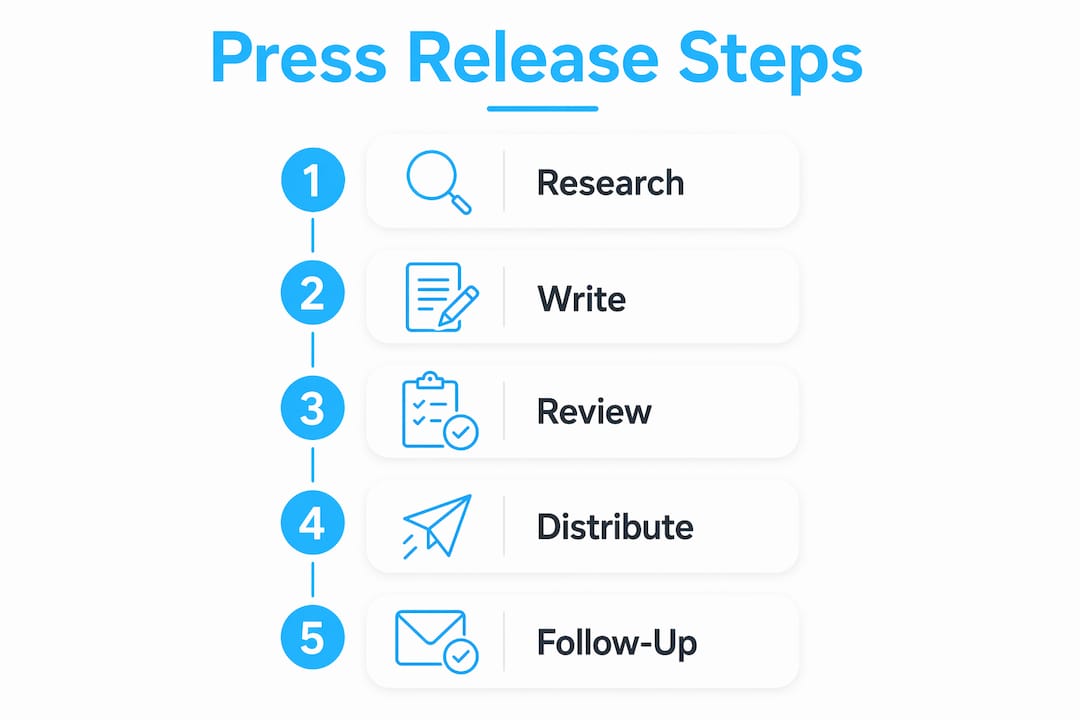
The table below shows the difference between a promotional approach and an evidence-based reporting approach in mental health press releases.
| Approach | Focus | Language style | Outcome |
|---|---|---|---|
| Promotional | Program features and services | Marketing language, benefit claims | Low media pickup, perceived as advertising |
| Evidence-based | Clinical outcomes and population data | Neutral, research-grounded | Higher pickup, stronger public trust |
Over 90% of mapped mental health programs report positive outcomes but are under-communicated publicly due to lack of expert media integration. That statistic reveals a real opportunity. Most programs are producing results that the public never hears about, simply because no one wrote the press release. Filling that gap is both a communications responsibility and a public health function.
Press releases that reach policy reporters can also influence funding decisions and cross-sector partnerships. A well-placed story in a state health publication can put a program on the radar of legislators, insurers, and school districts simultaneously.
What challenges do mental health professionals face with press releases?
Conveying clinical complexity to a general audience is the most common obstacle mental health professionals face when writing press releases. A diagnosis that requires nuance in a clinical setting must translate into one clear sentence for a journalist. That compression is a skill, and most clinicians are not trained in it.
- Stigmatizing language in a release can cause an outlet to kill the story entirely
- Omitting crisis resources like the 988 Lifeline signals to editors that the release is not media-ready
- Releases that read like grant applications lose journalists in the first paragraph
- Over-explaining clinical mechanisms crowds out the human story that drives coverage
Clinicians who become recognized expert sources in specialized trade press improve their chances of mainstream media coverage and increase trust with referral networks. The path to the New York Times runs through Behavioral Health Business first. Consistent trade media presence builds citation authority that AI engines use when surfacing expert information, which compounds value long after the original story runs.
Mental health experts must also embed clinical referral protocols and crisis resource information directly into press releases. This protects vulnerable readers who encounter the story and signals professionalism to every editor who reviews the release.
Key Takeaways
Press releases work for mental health experts when they combine clinical data, safe messaging, and targeted media outreach into a single, structured document.
| Point | Details |
|---|---|
| Structure drives pickup | Use the inverted pyramid and all seven standard parts to meet journalist expectations. |
| Data hooks matter | Releases with strong clinical data see 15–25% pitch hit rates versus 1–3% without them. |
| Safe messaging is required | Follow Action Alliance guidelines and include the 988 Lifeline to avoid coverage refusal. |
| Trade press comes first | Build a behavioral health media archive in year one before targeting mainstream outlets. |
| Lived experience adds credibility | Including patient voices alongside clinical data produces more trusted and more human coverage. |
What I have learned from years of mental health PR work
Most mental health professionals I have worked with are sitting on genuinely newsworthy stories. The problem is not the story. The problem is that clinical training does not prepare anyone to write for a journalist on deadline.
The single biggest shift I have seen is when a clinician stops trying to explain everything and starts leading with one number. One outcome. One patient story told with permission. That is what gets a reporter to call back. The full clinical picture can come out in the interview.
Safe messaging is not just an ethical obligation. It is a trust signal. When a journalist sees that a mental health expert knows the difference between “committed suicide” and “died by suicide,” they immediately treat that source as credible. That credibility carries into every subsequent pitch. I have watched a single well-messaged release open doors to ongoing media relationships that lasted years.
The experts who build the most durable media presence are the ones who treat press releases as the beginning of a relationship, not a one-time announcement. They follow up, they offer themselves as ongoing sources, and they show up consistently in PR insight resources that keep them current on what media wants. That consistency is what separates a clinician with occasional coverage from a recognized public voice in mental health.
— Ryan McCormick
How Goldman McCormick PR helps mental health experts get covered
Goldman McCormick PR has worked with experts across health and advocacy since 2010, earning recognition from Forbes Magazine as one of America’s Best PR Firms for 2021. The firm specializes in placing clients on TV, radio, and in print, with deep experience in cause and advocacy campaigns, including a Gold Award from Bulldog Reporter’s CSR Awards in 2016.
Mental health professionals who want their programs, research, and expertise in front of the right audiences can work directly with Goldman McCormick PR to build a press release strategy that meets media standards and follows safe messaging principles. The firm’s team understands both the clinical sensitivity and the media mechanics that make mental health stories land. Visit Goldman McCormick PR to learn more about how the firm supports mental health outreach through earned media.
FAQ
What is a press release in mental health communication?
A press release is a structured, news-focused document mental health experts send to journalists to announce programs, research, or clinical insights. It follows the inverted pyramid format and must include expert quotes, clinical data, and crisis resources like the 988 Lifeline.
How do you write a press release for a therapy practice?
Start with a newsworthy headline, follow with a lead paragraph answering who, what, when, where, and why, then add clinical data and a direct expert quote. Always include your credentials, contact information, and a link to crisis support resources.
Why do mental health press releases get rejected by media?
Releases get rejected most often for stigmatizing language, missing crisis resource links, or lack of a clear news hook. Following safe messaging frameworks like the Action Alliance for Suicide Prevention significantly reduces the risk of refusal.
What is the benefit of trade press for mental health experts?
Earning coverage in behavioral health trade publications builds citation authority for SEO and AI search engines before mainstream media outreach begins. Clinicians recognized in trade press see stronger mainstream media pickup and greater referral network trust.
How often should mental health professionals send press releases?
There is no fixed schedule, but releases tied to new research findings, program outcomes, awareness months, or policy changes perform best. Quality and newsworthiness matter far more than frequency.