
Attorney brand visibility is defined as the degree to which a criminal defense attorney occupies mental space in the minds of potential clients, referral sources, and the media before any legal need arises. The Ehrenberg-Bass Institute identifies this concept as “mental availability,” and it is the single most reliable predictor of client acquisition in professional services. Branded search volume is the clearest metric for tracking this visibility, outperforming generic keyword rankings because it signals that prospects already know your name. Attorney brand visibility best practices combine firm-level identity with individual attorney micro-brands to produce referral networks and media presence that paid advertising alone cannot replicate.
1. Attorney brand visibility best practices start with positioning, not design
Brand differentiation for criminal defense attorneys begins with a clear positioning statement, not a logo refresh. Generic law firm branding fails to create recall because it relies on clichés like scales of justice, navy blue palettes, and vague promises of “aggressive representation.” Positioning means owning a specific lane: federal drug defense, white-collar criminal cases, or juvenile defense in a defined geographic market.
Once positioning is clear, every visual and verbal element must reinforce it. Consistent color palette, tone, and client-focused messaging drive memorability and referrals more reliably than any single campaign. Attorneys who apply the StoryBrand framework, placing the client as the hero and the attorney as the guide, report stronger emotional resonance with prospects than those who lead with credentials.

Pro Tip: Audit your homepage headline. If it describes your firm rather than the client’s problem and desired outcome, rewrite it. Prospects decide within seconds whether your brand speaks to them.
2. Build your brand from the inside out
The most durable law firm brands are built inside-out, meaning internal culture and client experience come before external messaging. A firm that promises compassionate defense but delivers cold, transactional intake calls creates a brand contradiction that clients notice and remember negatively.
Alignment between what your team believes, how staff treats clients, and what your website says is the foundation of lasting differentiation. Attorneys who invest in internal culture first find that their external branding feels authentic rather than performative. That authenticity is what referral sources describe when they recommend you, and it is what prospects sense during a first consultation.
3. Leverage the rise of the attorney micro-brand
Trust in institutions has declined across professional services. Clients now research individual attorneys, not just firm names. Firms that encourage partners to publish specialized content see faster visibility growth because AI-driven search systems recognize and reward individual attorney expertise.
A criminal defense attorney who publishes consistent commentary on Fourth Amendment search-and-seizure rulings builds a searchable record of expertise that no firm-level blog can replicate. That individual profile becomes a referral magnet. The micro-brand attorney model works because it multiplies the number of credible voices associated with a firm, each attracting a distinct segment of potential clients.
Pro Tip: Pick one platform and one topic lane. Publish one substantive post per week for 90 days. Measure profile views, connection requests, and inbound messages before expanding to additional channels.
4. Build personal brand authority through consistent content
Personal branding for criminal defense attorneys is not self-promotion. It is building trust early by sharing original analysis that prospects and referral sources find useful before they ever need a lawyer.
LinkedIn, a focused blog, and podcast guest appearances are the three most effective channels for attorneys in 2026. Each serves a different function: LinkedIn builds professional network visibility, a blog captures long-tail search traffic, and podcast appearances reach audiences who prefer audio and associate voice with credibility. Attorneys who combine all three and maintain a consistent, non-promotional voice reduce their sales cycle because prospects arrive already trusting their judgment.
Measuring personal brand impact is straightforward. Track your name in Google Search Console, monitor LinkedIn profile growth monthly, and count media mentions using a free tool like Google Alerts. When referral sources describe you using your own positioning language, your personal brand is working.
5. Use digital PR as a non-negotiable visibility tactic
Digital PR is the practice of earning editorial mentions, media coverage, and authoritative backlinks through proactive outreach rather than paid placement. Digital PR is a fast-track tactic for building credibility signals that both search engines and AI systems favor when ranking attorneys.
The core activities for criminal defense attorneys include:
- Proactive media outreach: Pitch local news reporters and legal journalists on cases or legal trends where you can offer expert commentary.
- Legal directory audits: Review Avvo, Justia, and FindLaw listings quarterly for accuracy, photo quality, and review count.
- Online review monitoring: Respond to every Google review within 48 hours. Response rate and recency both influence local search rankings.
- Schema markup implementation: Structured data and schema markup allow search engines and AI to render rich results, including attorney ratings and FAQ answers, directly in search results. This increases click-through rates without additional ad spend.
- Client intake as a branding touchpoint: Handling client intake as a branded experience shapes the first impression more powerfully than any advertising campaign.
Track progress using three metrics: branded search volume in Google Search Console, direct website traffic in Google Analytics, and share of voice across legal directories in your practice area.
6. Amplify visibility through media and professional networking
Speaking engagements and media appearances build credibility faster than any content format because they place your name in front of audiences who already trust the platform hosting you. A criminal defense attorney who appears on a local news segment about a high-profile case earns more brand recognition in three minutes than six months of social media posts.
Newsletter sponsorships in legal or local business publications reach concentrated audiences of professionals who refer clients. Podcast guest spots on criminal justice or legal commentary shows position you as a subject matter authority. Both tactics work because they borrow the host’s credibility and transfer it to your brand.
LinkedIn networking requires consistency, not volume. Engage meaningfully with referral sources, former colleagues, and local journalists three to five times per week. Comment with original analysis, not generic agreement. Attorneys who share personal branding strategies that combine media outreach with authentic content creation report stronger referral network growth than those relying on firm-level marketing alone.
7. Measure brand effectiveness through referral language and NPS
High Net Promoter Scores correlate directly with referral likelihood, making NPS a reliable proxy for brand awareness impact through word-of-mouth. Satisfied clients predict organic brand growth that paid campaigns cannot manufacture.
The most telling measurement is referral language. Ask every new client how they heard about you and what they were told. When referral descriptions match your positioning, your brand is working. When they describe you in generic terms, your messaging has not penetrated the market. Adjust your content and outreach based on what referral sources actually say, not what you hope they say.
Key takeaways
Attorney brand visibility best practices require combining firm-level positioning with individual attorney micro-brands, consistent digital PR, and measurable referral tracking to build lasting mental availability.
| Point | Details |
|---|---|
| Positioning before design | Define a specific practice niche before investing in visual identity or website redesign. |
| Inside-out brand building | Align internal culture and client experience with external messaging for authentic differentiation. |
| Attorney micro-brands | Encourage individual attorneys to publish specialized content to multiply credible voices and referral sources. |
| Digital PR and schema markup | Earn editorial mentions and implement structured data to improve search and AI visibility. |
| Measure referral language | Track how referral sources describe you to validate whether your brand positioning has taken hold. |
Why most criminal defense attorneys get branding backwards
The attorneys I see struggle most with visibility are the ones who treat branding as a marketing department problem. They commission a new logo, rewrite their website, and wait for the phone to ring. Nothing changes because the brand was never real to begin with.
The firms that build genuine visibility start with an honest internal conversation: What do we actually do better than anyone else? Who is the specific client we serve best? What do our best clients say about us when we are not in the room? Those answers become the brand. Everything else, the website, the LinkedIn posts, the media appearances, is just amplification.
I have worked with criminal defense attorneys who had no marketing budget but a crystal-clear positioning statement and a habit of publishing one thoughtful LinkedIn post per week. Within a year, they were getting referrals from prosecutors, judges, and other defense attorneys. That is the power of mental availability built through consistent, authentic presence.
The attorneys who resist personal branding because it feels uncomfortable are leaving their firm’s visibility entirely dependent on firm-level marketing. That is a fragile position. The future of legal marketing belongs to firms that build strong attorney brands at both the individual and firm level simultaneously.
— Ryan McCormick
How Goldman McCormick PR helps criminal defense attorneys build real visibility
Goldman McCormick PR has specialized in legal public relations since 2010, and the New York Observer named it one of the top five PR agencies in legal PR in 2014. Forbes Magazine recognized Goldman McCormick PR as one of America’s Best PR Firms for 2021. The firm gets criminal defense attorneys seen on television, heard on radio, and read about in newspapers through proactive media outreach, editorial placement, and nationally syndicated programs on the Genesis Communications Network and Starcom Radio Network.
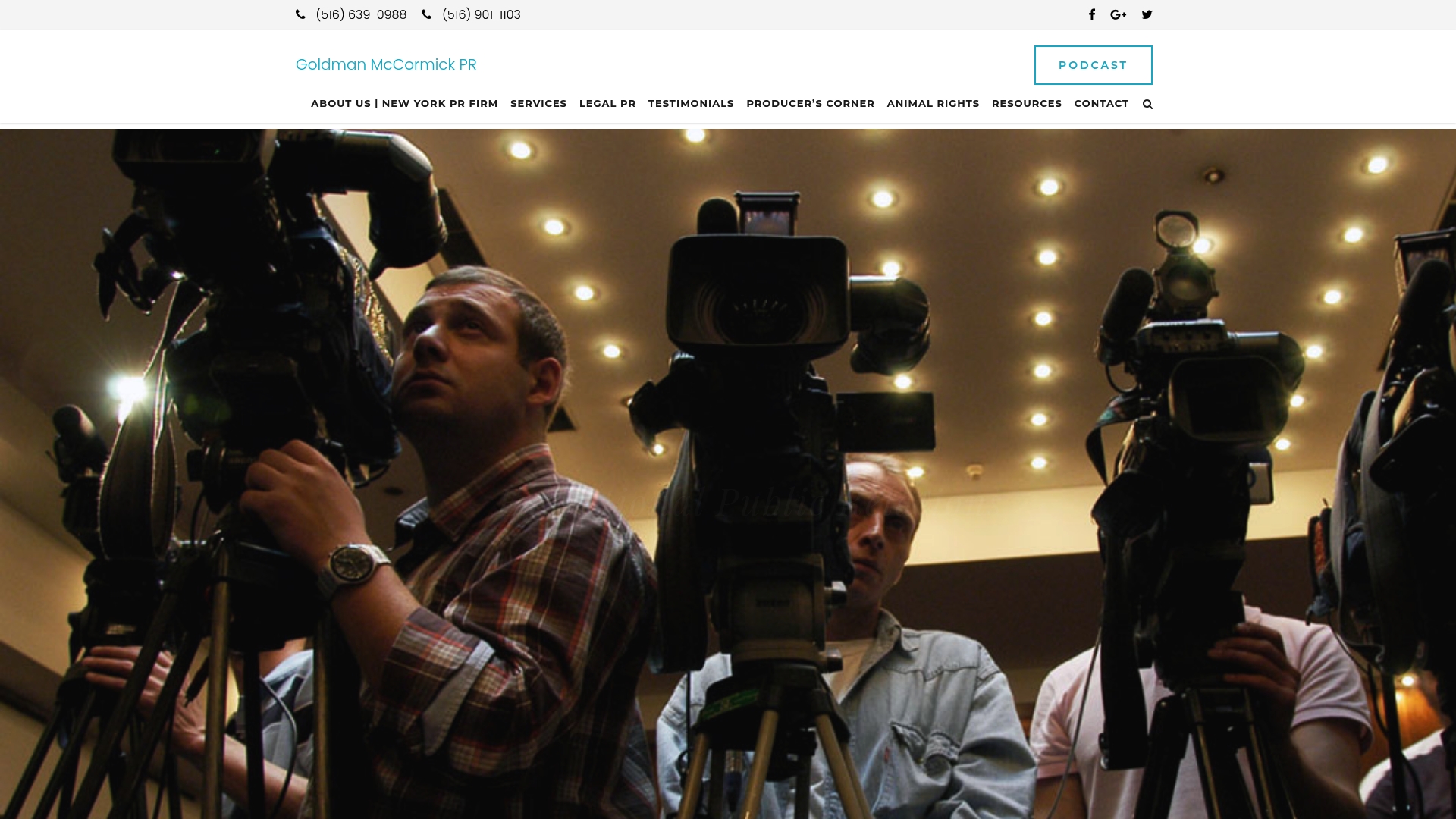
Goldman McCormick PR works with criminal defense attorneys to align internal brand messaging with external media strategy, producing the kind of consistent, credible visibility that referral networks and AI-driven search both reward. Contact Goldman McCormick PR to build a PR strategy that matches your positioning and puts your name in front of the clients and referral sources who matter most.
FAQ
What is attorney brand awareness?
Attorney brand awareness is the extent to which potential clients and referral sources recognize and recall a specific attorney or firm when a legal need arises. Branded search volume is the most reliable metric for tracking it.
How do criminal defense attorneys measure brand visibility?
Track branded search volume in Google Search Console, monitor direct website traffic, and ask new clients to describe how referral sources characterized your firm. When referral language matches your positioning, visibility is working.
Why does schema markup matter for attorney visibility?
Schema markup tells search engines and AI systems exactly who you are, what you practice, and what clients say about you. This structured data enables rich results in search, increasing click-through rates without additional advertising spend.
How often should criminal defense attorneys publish personal brand content?
One substantive post per week on a single platform is more effective than sporadic posting across multiple channels. Consistency over 90 days produces measurable growth in profile views, connections, and inbound referrals.
What makes a law firm brand distinctive?
Clear niche positioning, a consistent and non-generic visual identity, and a brand voice that avoids legal jargon are the three factors that separate memorable firms from forgettable ones. Generic designs and vague promises of “aggressive representation” fail to create recall.