
Managing attorney public image is the process of building, maintaining, and protecting a lawyer’s professional reputation through ethical marketing, media engagement, and digital presence management. The NYC Bar Association confirms that attorneys may use social media for brand building, but every post is subject to professional conduct rules covering confidentiality and solicitation. In 2014, the New York Observer named Goldman McCormick PR one of the top five public relations agencies specializing in legal PR, which means the firm has watched these rules reshape how attorneys communicate publicly for over a decade. The attorneys who win in the court of public opinion treat reputation management not as an afterthought but as a discipline with the same rigor they apply to case preparation.
How can attorneys use social media ethically to build their public image?
Social media is the most accessible tool attorneys have for building attorney brand recognition, but it carries real ethical risk if used without a plan. The NYC Bar Association treats attorney bios, profile photos, and directory listings as regulated advertising subject to bar ethics review before posting. That standard applies equally to a LinkedIn article, an Instagram reel, or a TikTok explainer.
Platform choice shapes both reach and content format:
- LinkedIn rewards longer-form analysis, case commentary using public facts, and thought leadership posts that demonstrate expertise without disclosing client details.
- Instagram and TikTok favor short videos. The NYC Bar guidance notes these platforms can help attorneys reach wider audiences, but short videos must be carefully crafted to avoid confidentiality breaches.
- YouTube supports longer educational content, such as “what to expect at a deposition” or “how bail works,” that positions criminal defense attorneys as trusted authorities without referencing active matters.
- X (formerly Twitter) works for real-time legal commentary on public cases and legislation, provided statements stay within the bounds of Rule 3.6 during active proceedings.
The content that builds the strongest attorney social media presence is educational, not promotional. Walk your audience through a legal process. Explain a recent court ruling in plain language. Share a published article you wrote for a bar journal. None of those require revealing a client’s name or case outcome.
Pro Tip: Build a monthly content calendar and run each post through a two-question ethics check before publishing: Does this reveal any client information, even indirectly? Does this constitute a solicitation under your state bar’s advertising rules? If yes to either, revise before posting.

What are best practices for managing online reviews and reputation?
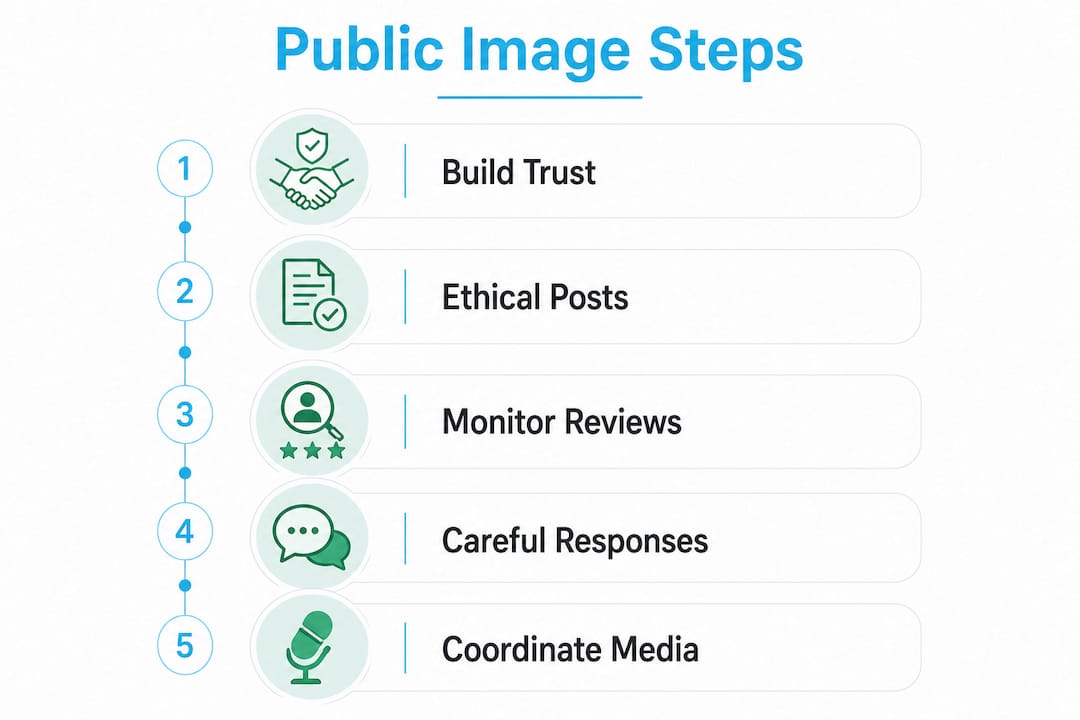
Attorney reputation management online starts with one uncomfortable truth: you cannot respond to a negative review the way a restaurant owner can. The Pennsylvania Bar ethics opinion warns that even confirming the reviewer was your client constitutes a disclosure of confidential information. That constraint forces a different strategy entirely.
Follow these steps to manage reviews without creating new ethical problems:
- Claim every profile. Claiming profiles on Google, Yelp, Avvo, and legal directories gives you control over the information potential clients see and allows you to respond within ethical limits. Unclaimed profiles are edited by no one, which means errors persist indefinitely.
- Set up monitoring alerts. Google Alerts for your name and firm name, combined with directory notification settings, catch new reviews within hours. Speed matters because a negative review that sits unanswered for weeks shapes perception before you even know it exists.
- Use a non-committal response script. The most defensible response is short, courteous, and directs the reviewer to contact you privately. Something like: “We take all feedback seriously and invite you to contact our office directly so we can address your concerns.” That script neither confirms representation nor reveals facts.
- Solicit reviews ethically. Ask satisfied clients for reviews after the matter closes, in writing, with no incentive attached. Paying for recommendations is prohibited under advertising rules, while paying for directory placement is permitted.
- Document everything. If a review contains false statements of fact, consult bar ethics counsel before pursuing removal. The process is narrow but available.
Pro Tip: Never respond to a negative review while you are frustrated. Write a draft, wait 24 hours, then apply the ethics check. Emotional responses online have ended careers that courtroom losses never touched.
How to handle media interactions and public statements during active litigation
Managing legal professional image during an active case is where attorneys face the sharpest tension between advocacy and ethics. The ABA and Illinois Rule 3.6 prohibit extrajudicial statements that have a substantial likelihood of materially prejudicing an adjudicative proceeding. Specifically, attorneys must avoid public comments about:
- Witness credibility or expected testimony
- The character, reputation, or prior criminal record of a party
- Any opinion about guilt or innocence
- Evidence that will or will not be admitted at trial
- Any information the lawyer knows is likely to be inadmissible
The mitigation exception is narrow. It allows a lawyer to respond publicly only to limit the prejudicial effect of adverse publicity that someone else initiated, and only to the extent necessary to counter that publicity. It is not a license to run a parallel media campaign.
What attorneys can do is separate educational commentary from case-specific positioning. Explaining how bail hearings work in general is permissible. Saying your client’s bail hearing was handled improperly is not. General legal principles and publicly available procedural timelines are safe territory. Case-specific implications are not.
“The safest public statement during active litigation is one that could apply to any case, not just yours.” This principle, drawn from Rule 3.6 guidance, protects both the client’s fair trial rights and the attorney’s professional standing.
Pro Tip: Before any media interview during active litigation, coordinate with a PR counselor who understands bar ethics. Goldman McCormick PR has worked alongside legal teams to craft statements that satisfy both the press and the bar.
What tools and profiles should attorneys optimize to enhance their online presence?
A consistent digital footprint is the foundation of how to enhance legal reputation over time. Every platform where your name appears is either building or eroding your brand, depending on whether the information is accurate, current, and professional.
The following comparison shows the key platforms attorneys should prioritize:
| Platform | Primary benefit | Key risk |
|---|---|---|
| Google Business Profile | Local search visibility and client reviews | Outdated info damages trust |
| Avvo | Legal-specific credibility scoring | Unmonitored profiles invite errors |
| Professional network and thought leadership | Inconsistent bio undermines authority | |
| Martindale-Hubbell | Peer ratings and referral credibility | Requires active peer review solicitation |
| Firm website bio page | Full control over narrative and SEO | Rarely updated after initial launch |
A comprehensive Google Business Profile for lawyers directly affects how often you appear in local search results when potential clients search for attorneys in your practice area. Consistency across all platforms matters: the same professional headshot, the same bar admission dates, the same contact information. Discrepancies signal neglect to both clients and search engines.
Key takeaways
Attorneys who manage their public image proactively through ethical social media use, disciplined review responses, and consistent digital profiles build reputations that withstand both competitive pressure and public scrutiny.
| Point | Details |
|---|---|
| Ethics first, always | Design every post and response to meet bar advertising and confidentiality rules before publishing. |
| Platform strategy matters | LinkedIn, TikTok, and YouTube each serve different audiences and require different content approaches. |
| Review responses are regulated | Never confirm representation in a public reply; use a brief, private-contact script instead. |
| Rule 3.6 limits media statements | During active litigation, stick to general legal education and publicly available facts only. |
| Digital profiles are advertising | Treat every bio, photo, and directory listing as regulated advertising subject to ethics review. |
Why I think most attorneys get image management backwards
After years of working with legal professionals at Goldman McCormick PR, I have seen the same pattern repeat: attorneys invest in their public image only after something goes wrong. A damaging news story breaks, a one-star review goes viral, or a competitor starts dominating local search results. Then the phone rings.
Reactive reputation work is harder, more expensive, and less effective than building a strong foundation before a crisis arrives. The attorneys I have seen handle public pressure most effectively are the ones who already had a media relationship, a consistent social presence, and a clear public narrative. When a difficult story broke, they had credibility in the bank.
The other mistake I see constantly is treating ethics compliance as a constraint on marketing rather than as a framework for it. The rules around confidentiality and advertising are not obstacles. They are the structure that makes your public communications trustworthy. An attorney who speaks carefully and within ethical bounds is more credible to a sophisticated audience than one who says everything and anything.
Start with the ethical groundwork. Build the digital presence. Then engage the media from a position of strength, not desperation.
— Ryan McCormick
How Goldman McCormick PR helps attorneys build their public image
Goldman McCormick PR, named by Forbes Magazine as one of America’s Best PR Firms for 2021, has specialized in legal public relations since 2010. The firm was founded by active and former media professionals who understand how journalists think, what editors want, and how to position attorneys as credible sources rather than subjects of coverage. For attorneys focused on building attorney brand recognition, Goldman McCormick PR offers media placement on television, radio, and in print, along with podcast production and nationally syndicated radio programs on the Genesis Communications Network and Starcom Radio Network. Whether you are managing a high-profile criminal defense matter or building long-term visibility in your practice area, the firm delivers earned media results that advertising cannot replicate.
FAQ
What does it mean to manage attorney public image?
Managing attorney public image means actively shaping how clients, peers, and the media perceive a lawyer through ethical marketing, digital presence, and strategic communications. It includes social media, online reviews, media relations, and consistent branding across all platforms.
Can attorneys respond to negative online reviews?
Attorneys can respond, but must avoid confirming representation or revealing any client information. The safest approach is a brief, courteous reply inviting the reviewer to contact the office privately.
What social media platforms work best for attorneys?
LinkedIn is best for professional thought leadership, while TikTok, Instagram, and YouTube reach broader audiences through short educational videos. All platforms require compliance with bar advertising and confidentiality rules before posting.
Are attorney bios and directory listings considered advertising?
Yes. Ethics authorities treat attorney bios, profile photos, and directory listings as advertising subject to bar ethics review before they are published online.
When can an attorney speak publicly during active litigation?
An attorney may comment on general legal principles and publicly available procedural facts. Statements about witness credibility, evidence, or opinions on guilt or innocence are prohibited under ABA and state rules such as Illinois Rule 3.6.